
Wraps Per Inch Yarn Chart
Wraps Per Inch Yarn Chart - Slide the yarn through the guide and down towards the wooden handle. It’s better to have a more extended sample to ensure accuracy, but 1 inch is the minimum. These numbers come from a variety of sources, each with a different method of calculation. The number of times that the yarn wraps around in one inch is the wpi. Web the most common way to measure a strand’s diameter is with a method called wraps per inch, or wpi. Below you'll find a handy wraps per inch chart. Wpi is an acronym for wraps per inch. Web follow these three easy steps. Using a wpi tool can help you to identify the gauge of a certain yarn. Lightly guide the yarn around the handle and begin twisting. Web simply put, wpi measures how many wraps of yarn are in 1 inch. Wpi is an acronym for wraps per inch. Web yarn thickness is commonly measured by wraps per inch (wpi) to determine what weight category a yarn fits into. Web using wraps per inch (wpi) is a straightforward and reliable method to identify the weight of unknown yarns. Web another, more traditional, measurement is wraps per inch. Web here is a simple method of determining how many yards of yarn you’ll need using the wraps per inch (wpi) method: These numbers come from a variety of sources, each with a different method of calculation. Web ravelry standard yarn weights. Below you'll find a handy wraps per inch chart. Keep in mind that wpi is subjective, and results will vary depending on how tightly the yarn is wrapped. Web another, more traditional, measurement is wraps per inch. Finally, grist is a measurement of how many yards of. Wpi is an acronym for wraps per inch. Web a chart with the most commonly recognized yarn types and their associated wraps per inch and yardage measurements from the woolery. Web this chart provides a rough target “wraps per inch” (wpi). Or you may be familiar with the number system developed by the craft yarn council. Web a chart with the most commonly recognized yarn types and their associated wraps per inch and yardage measurements from the woolery. Continue to wrap the yarn around until you have reached at least the one inch mark. Web wraps per inch narrows the field.. Wpi is meant to give a rough idea of yarn weight—not its physical weight but its category such as lace, fingering, bulky, and so on (download the craft yarn council’s yarn standards table ). You can even make a tool with the inch marks indicated on the dowel but a ruler works great too since it’s already. Keep in mind. Then use the wraps per inch chart below to finch out the gauge and weight of your yarn. Web here is a simple method of determining how many yards of yarn you’ll need using the wraps per inch (wpi) method: Yarn weights are on a spectrum, a continual scale of thin to thick. You can even make a tool with. Web ravelry standard yarn weights. Using a wpi tool can help you to identify the gauge of a certain yarn. The number of times that the yarn wraps around in one inch is the wpi. By measuring how many strands of yarn (wraps) fit in a 1” space, you can discover what weight any yarn is. Web using wraps per. Web wraps per inch narrows the field. Below you'll find a handy wraps per inch chart. Web ravelry standard yarn weights. If you’d like to substitute yarn or you are the proud owner of some mystery skeins, the wraps per inch tool could help you greatly. Web this chart provides a rough target “wraps per inch” (wpi) for singles spun. Web solve the mystery of your unlabeled stash of yarns when you learn how to calculate wraps per inch to help determine the weight of any yarn. Web to calculate wraps per inch (wpi), you need a ruler or measuring tape and a sample of the yarn you want to measure. Take a length of yarn at least 1 inch. Web use the chart provided to compare your wpi number to the weight category to determine the weight of your yarn, and what hook or needle to use to reach a standard size gauge. For example, let’s say we wrapped our yarn and found we have 8 wraps per inch. If you’d like to substitute yarn or you are the. Web this chart provides a rough target “wraps per inch” (wpi) for singles spun for the purpose of making plied yarns. Keep in mind that wpi is subjective, and results will vary depending on how tightly the yarn is wrapped. These numbers come from a variety of sources, each with a different method of calculation. Web the most common way. Web using wraps per inch (wpi) is a straightforward and reliable method to identify the weight of unknown yarns. Slide the yarn through the guide and down towards the wooden handle. These numbers come from a variety of sources, each with a different method of calculation. Web this chart provides a rough target “wraps per inch” (wpi) for singles spun. Web this chart provides a rough target “wraps per inch” (wpi) for singles spun for the purpose of making plied yarns. For example, some yarns may be marked as one weight but wrap out at another. By mastering this technique, you can confidently incorporate unlabelled or mystery yarns into your knitting and crochet projects, ensuring they turn out beautifully. Web a chart with the most commonly recognized yarn types and their associated wraps per inch and yardage measurements from the woolery. Lightly guide the yarn around the handle and begin twisting. Then use the wraps per inch chart below to finch out the gauge and weight of your yarn. Measuring and universally communicating a yarn thickness. These numbers come from a variety of sources, each with a different method of calculation. Web ravelry standard yarn weights. Wpi is meant to give a rough idea of yarn weight—not its physical weight but its category such as lace, fingering, bulky, and so on (download the craft yarn council’s yarn standards table ). Finally, grist is a measurement of how many yards of. Whichever method you use, there is always going to be some variation within a specific weight class. Web use the chart provided to compare your wpi number to the weight category to determine the weight of your yarn, and what hook or needle to use to reach a standard size gauge. Web this chart provides a rough target “wraps per inch” (wpi) for singles spun for the purpose of making plied yarns. Worsted, bulky, dk, sport, fingering, lace. It’s better to have a more extended sample to ensure accuracy, but 1 inch is the minimum.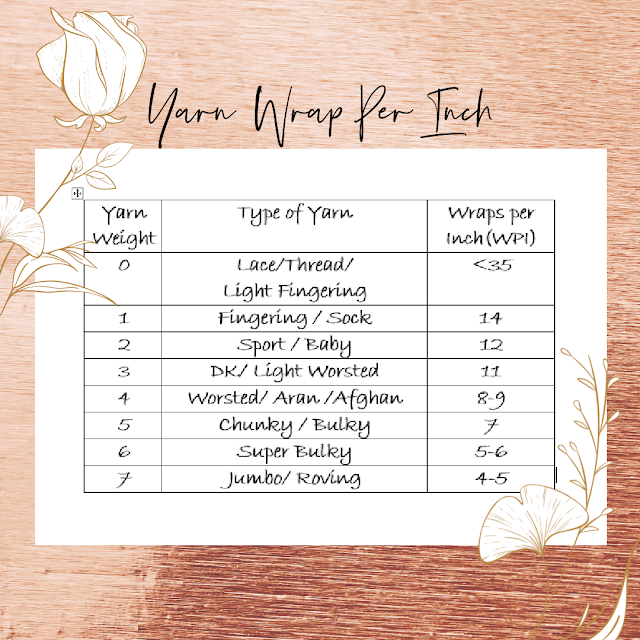
Little Treasures How to Determine Yarn WPI (wraps per inch)

Knitting Stitches Per Inch Chart How to Determine Wraps per Inch of a

A fabulous chart of 'Standard Yarn Weights'! It shows a yarn's gauge

Wpi Wraps per Inch Gauge Guide for Spinners and Knitters Etsy Art

Yarn weights explained Dora Does

Wraps Per Inch Yarn Chart
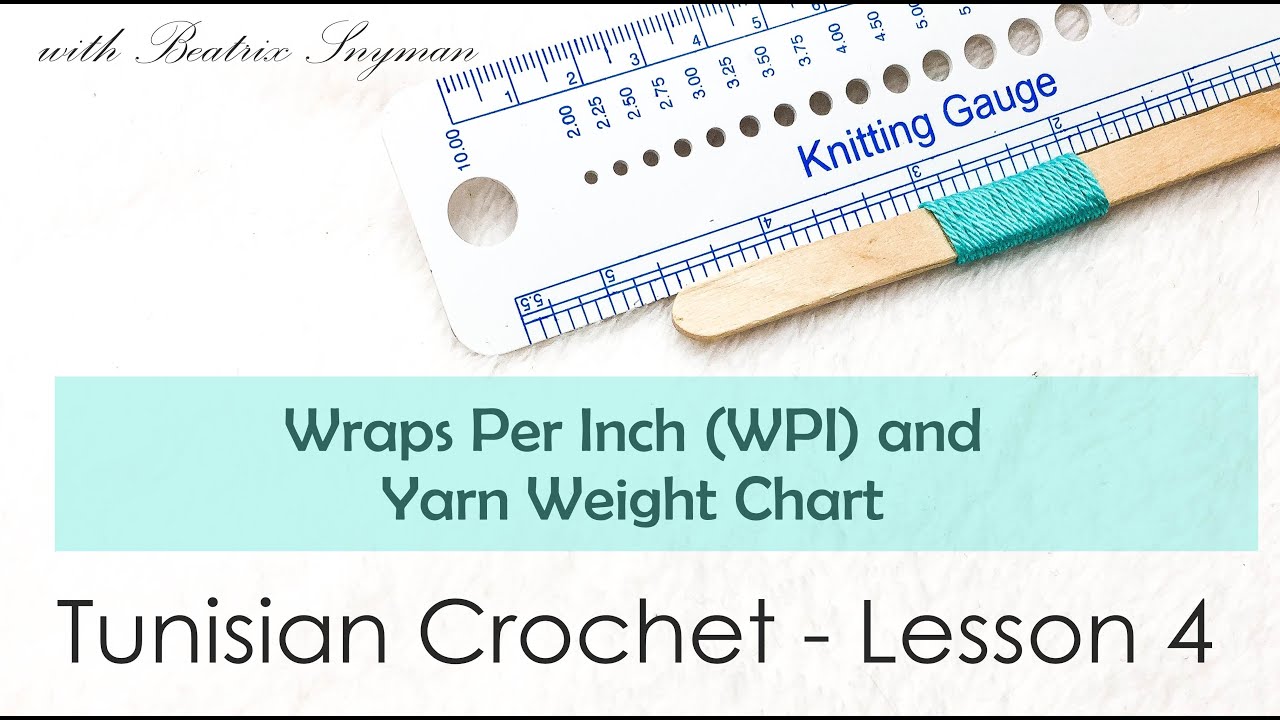
Wraps Per Inch Yarn Weight Chart

Easily tell the weight of yarn by wrapping it around a ruler Handspun

Wraps Per Inch Chart Knitting Hacks, Knitting Basics, Knitting
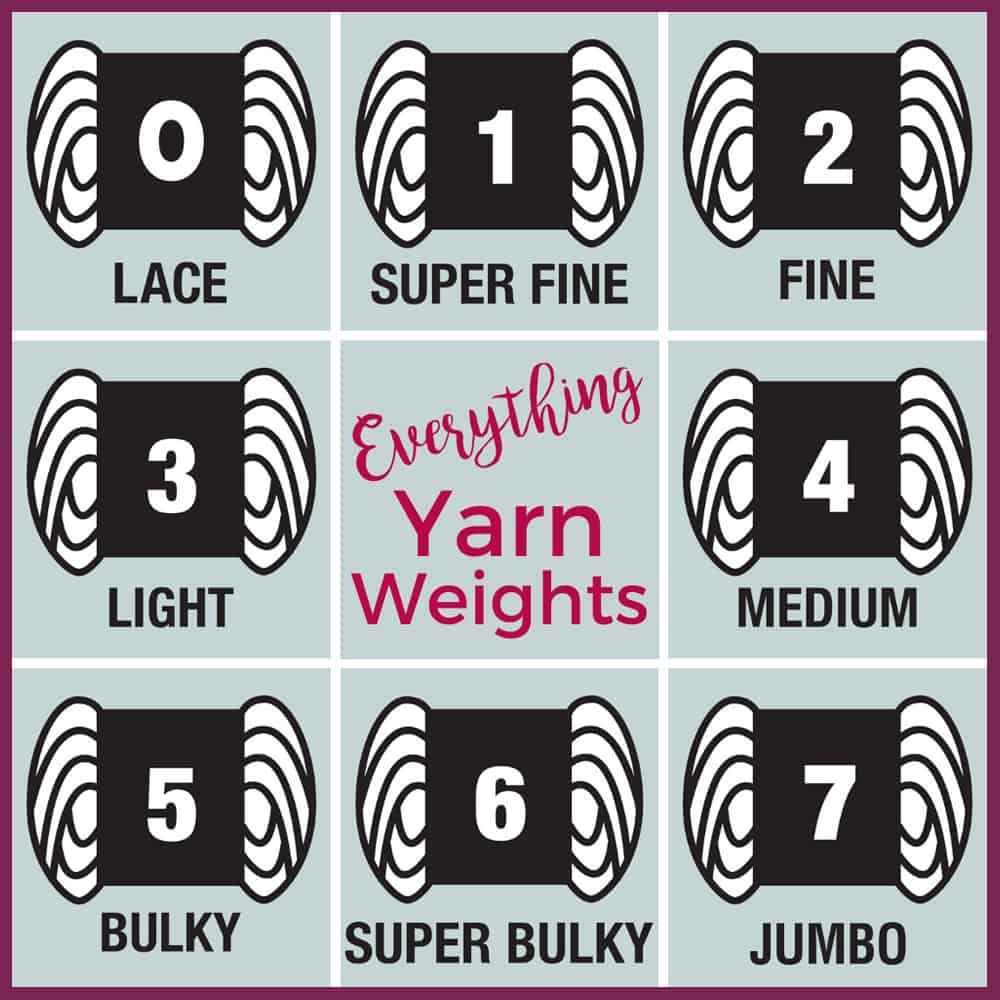
Wraps Per Inch Yarn Weight Chart
These Numbers Come From A Variety Of Sources, Each With A Different Method Of Calculation.
Web Use A Ruler And Count The Number Of Wrap Per Inch.
By Measuring How Many Strands Of Yarn (Wraps) Fit In A 1” Space, You Can Discover What Weight Any Yarn Is.
A Wpi Tool Can Tell Us Whether We’ve Spun A Fine Lace Yarn Or A Super Bulky Yarn, Which Helps Us Describe Our Yarn To Other Spinners Or In A Note To Ourselves For Future Reference.
Related Post: