
Winnie The Pooh Mental Illness Chart
Winnie The Pooh Mental Illness Chart - It’s a way to make complex mental health issues more relatable through the lens of our favorite storybook friends. A heartwarming look at adhd, anxiety, and more for support and care. Web winnie the pooh characters are widely thought of as representing different mental health disorders, but is it true? Web winnie the pooh has become a timeless tool in educating both children and adults about emotional wellbeing and mental illness. Web every character in winnie the pooh has a mental health issue and it's great for kids to see. Web according to a dark winnie the pooh theory, each character in the kids' show represents a different mental health condition. The wholesome hundred acre wood crew offer a beautiful example of supporting friends with mental illness. Pooh represents an eating disorder. Eeyore represents major depressive disorder. While piglet seems to have generalized anxiety disorder, tigger has adhd. Web a body & mind health services unceremoniously diagnoses robin with schizophrenia, effectively saying all of the adventures in the hundred acre wood are hallucinations. Tigger, the hyperactive tiger, has. All the more reason to enjoy this classic show—this is as real as it gets, people. Web according to a dark winnie the pooh theory, each character in the kids' show represents a different mental health condition. Eeyore represents major depressive disorder. Let’s look at the origins, meanings, and significance of. Some might be obvious, but some are less so. Kevin gordon (m.d.) and associates studied the characters of winnie the pooh and concluded that each of them could be linked to a definite psychiatric diagnosis. How real is this theory? It’s a way to make complex mental health issues more relatable through the lens of our favorite storybook friends. Web a body & mind health services unceremoniously diagnoses robin with schizophrenia, effectively saying all of the adventures in the hundred acre wood are hallucinations. It is not easy to characterize pooh in a single sentence, and i do not believe that his inattentiveness can simply be attributed to adhd, inattentive type. Tigger, the hyperactive tiger, has. Web winnie the. Some might be obvious, but some are less so. His adhd can be seen in his inattentiveness, disordered thoughts, random comments, and tendency to forget things. Tigger, the hyperactive tiger, has. Read winnie the pooh the book's beloved characters illustrate the impact of traumatic experiences. And if so, what disorders does each character represent? Web well, it turns out that each character on winnie the pooh was written to display a different mental illness. It is not easy to characterize pooh in a single sentence, and i do not believe that his inattentiveness can simply be attributed to adhd, inattentive type. Web a new “pooh pathology test” claims to show which mental health disorder. Web well, it turns out that each character on winnie the pooh was written to display a different mental illness. Web a body & mind health services unceremoniously diagnoses robin with schizophrenia, effectively saying all of the adventures in the hundred acre wood are hallucinations. Web every character in winnie the pooh has a mental health issue and it's great. Web winnie the pooh's theory states that both the bear and his friends were inspired by different mental illnesses. How real is this theory? While piglet seems to have generalized anxiety disorder, tigger has adhd. So which character represents which mental illness? Web according to a dark winnie the pooh theory, each character in the kids' show represents a different. All the more reason to enjoy this classic show—this is as real as it gets, people. Posted august 13, 2019 | reviewed by devon frye Web this is exactly what “winnie the pooh” mental disorders represent. Some might be obvious, but some are less so. Web let’s dive into winnie the pooh characters and the mental disorders that they seem. Posted august 13, 2019 | reviewed by devon frye Web discover how winnie the pooh characters reflect mental health themes. His adhd can be seen in his inattentiveness, disordered thoughts, random comments, and tendency to forget things. Web well, it turns out that each character on winnie the pooh was written to display a different mental illness. So which character. Web winnie the pooh has become a timeless tool in educating both children and adults about emotional wellbeing and mental illness. So which character represents which mental illness? Web every character in winnie the pooh has a mental health issue and it's great for kids to see. Web from pooh’s obsessions to piglet’s anxieties, eeyore’s melancholy, tigger’s exuberance, rabbit’s perfectionism,. So which character represents which mental illness? Humorists have suggested that a. Web a body & mind health services unceremoniously diagnoses robin with schizophrenia, effectively saying all of the adventures in the hundred acre wood are hallucinations. Web according to a dark winnie the pooh theory, each character in the kids' show represents a different mental health condition. Web psychopathology. Web from pooh’s obsessions to piglet’s anxieties, eeyore’s melancholy, tigger’s exuberance, rabbit’s perfectionism, owl’s eccentricity, and the nurturing bonds of kanga and roo, each character portrays a different aspect. Read winnie the pooh the book's beloved characters illustrate the impact of traumatic experiences. Web psychopathology in the hundred acre wood. Eeyore represents major depressive disorder. Some might be obvious, but. Kevin gordon (m.d.) and associates studied the characters of winnie the pooh and concluded that each of them could be linked to a definite psychiatric diagnosis. Posted august 13, 2019 | reviewed by devon frye And if so, what disorders does each character represent? So which character represents which mental illness? While piglet seems to have generalized anxiety disorder, tigger has adhd. Web from pooh’s obsessions to piglet’s anxieties, eeyore’s melancholy, tigger’s exuberance, rabbit’s perfectionism, owl’s eccentricity, and the nurturing bonds of kanga and roo, each character portrays a different aspect. All the more reason to enjoy this classic show—this is as real as it gets, people. Read winnie the pooh the book's beloved characters illustrate the impact of traumatic experiences. For each of the following statements, indicate how well it applies to you below. Attention deficit hyperactivity disorder (adhd), inattentive type Web it can be stated that each of the main characters resemble a mental illness. Piglet represents an anxiety disorder. Web a new “pooh pathology test” claims to show which mental health disorder you might be suffering from based on the character you most resemble in the classic cartoon franchise. Web psychopathology in the hundred acre wood. Eeyore represents major depressive disorder. The wholesome hundred acre wood crew offer a beautiful example of supporting friends with mental illness.
Winnie The Pooh Mental Illness Chart

Winnie The Pooh Test With Chart
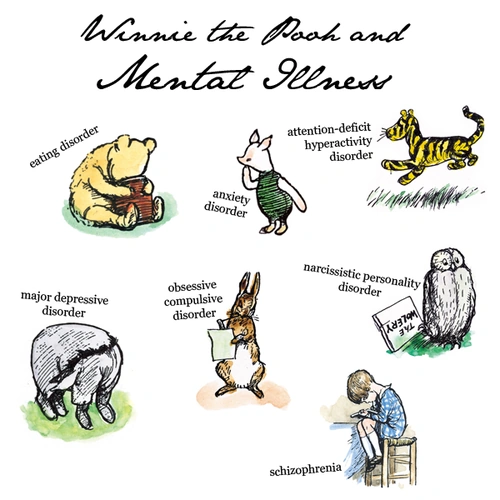
Characters Of Winnie The Pooh Mental Disorders change comin
WinnieThePooh characters all represent some type of mental disorder
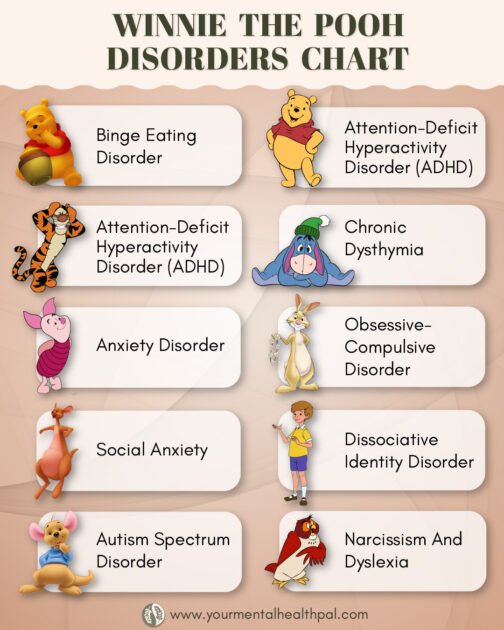
Winnie The Pooh Characters and Their Mental Health Issues
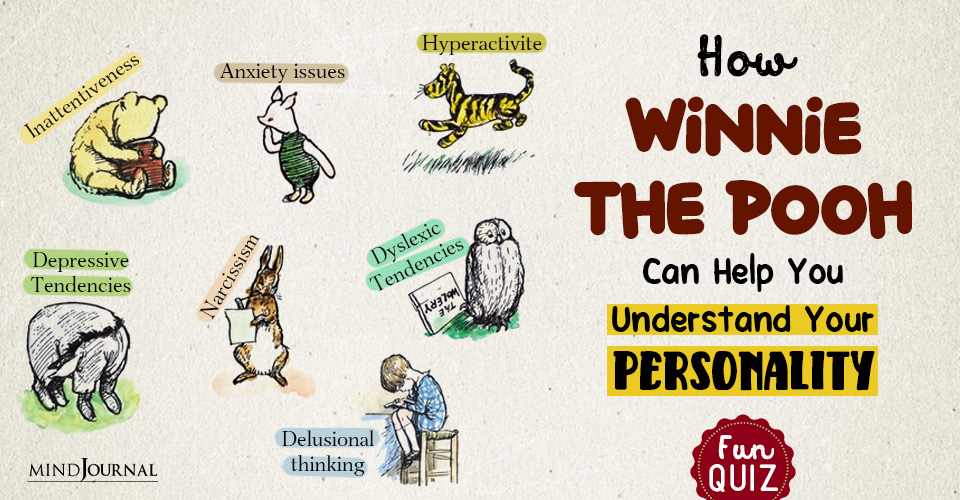
Pooh Pathology Test

Disney character disorders Winnie the pooh disorders, Psychology

Winnie The Pooh Mental Illness Chart vrogue.co

Mental Health with Winnie the Pooh Winnie the pooh, Social work humor
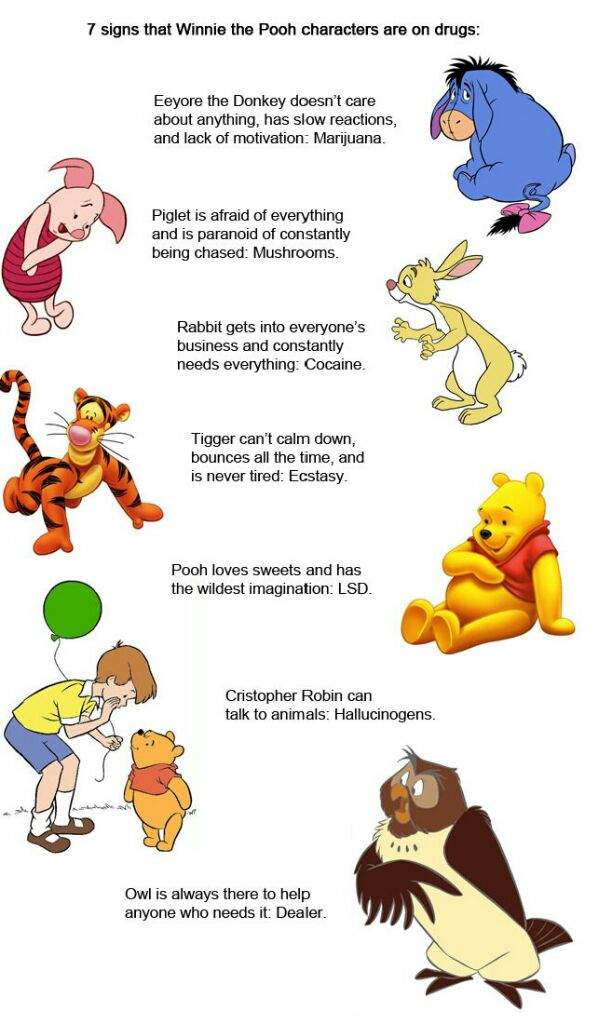
Winnie The Pooh Disorders Cartoon Amino
Web The Theory Goes On To Describe How Each Animal Character Represents A Specific Disorder, With Winnie The Pooh Suffering From Inattentivity, A Form Of Adhd.
Examples Of Mental Illness In Children's Literature Are Fairly Common, Though It Isn't Always Labeled Explicitly.
Web A Body & Mind Health Services Unceremoniously Diagnoses Robin With Schizophrenia, Effectively Saying All Of The Adventures In The Hundred Acre Wood Are Hallucinations.
It’s A Way To Make Complex Mental Health Issues More Relatable Through The Lens Of Our Favorite Storybook Friends.
Related Post: