
Thread Weight Chart
Thread Weight Chart - Web use this handy chart to quickly convert thread weights from one type to another. Here are some basic concepts to help make these numbers easier to understand. The higher the number, the lighter and finer the thread. Web understanding thread weight: Web the weight of a sewing thread is measured in tex, which is the weight in grams of 1,000 meters of thread. In this video, you’ll learn how these different weights of thread will show up (or not be seen at all) and where they can be used for the best advantage. Read this comprehensive guide to learn how to read and use a sewing thread size chart. You can use a ruler or a micrometer to measure the length and diameter of the thread. A basic conversion chart for understanding thread measurements: Web the most important thing to know with respect to the thread weight is that the higher the thread weight, the thinner the thread will be. Web used for cotton and other spun threads—weight is expressed as the number of kilometers required of a specific thread to weigh 1 kilogram. Web unsure on which thread size to get for your project? Quick thread conversion chart includes formulas for converting thread weights between multiple sizing systems, including tex, dtex, weight, denier, and number metric (nm). The second most important thing to know is that the thread weight may not be listed very clearly. The weight or size of thread is an important consideration for any sewing project. A 30 weight thread is heavier than a 50 weight because it is denser and takes only 30 kilometers to equal one kilogram compared to 50. The five most common methods of measurement of threads are weight, denier, tex, number, and composition standards. To determine the weight of a sewing thread, you need to know the length of the thread and its diameter. Read this comprehensive guide to learn how to read and use a sewing thread size chart. Web use this handy chart to quickly convert thread weights from one type to another. Web used for cotton and other spun threads—weight is expressed as the number of kilometers required of a specific thread to weigh 1 kilogram. In this video, you’ll learn how these different weights of thread will show up (or not be seen at all) and where they can be used for the best advantage. The weight or size of thread. Read this comprehensive guide to learn how to read and use a sewing thread size chart. But a huge variety of other threads exist in super fine 100 weight, or super chunky 3 weight options too. The higher the number, the lighter and finer the thread. A basic conversion chart for understanding thread measurements: To determine the weight of a. The second most important thing to know is that the thread weight may not be listed very clearly. Get a printable pdf chart that summarises each thread type and when to use them. Quick thread conversion chart includes formulas for converting thread weights between multiple sizing systems, including tex, dtex, weight, denier, and number metric (nm). The weight or size. The weight or size of thread is an important consideration for any sewing project. Web the most important thing to know with respect to the thread weight is that the higher the thread weight, the thinner the thread will be. Web the weight of a sewing thread is measured in tex, which is the weight in grams of 1,000 meters. The weight or size of thread is an important consideration for any sewing project. Web unsure on which thread size to get for your project? The second most important thing to know is that the thread weight may not be listed very clearly. Web the most important thing to know with respect to the thread weight is that the higher. But a huge variety of other threads exist in super fine 100 weight, or super chunky 3 weight options too. Web the most important thing to know with respect to the thread weight is that the higher the thread weight, the thinner the thread will be. Web your standard thread will often come in a medium 40 or 50 weight.. But a huge variety of other threads exist in super fine 100 weight, or super chunky 3 weight options too. Web unsure on which thread size to get for your project? The weight or size of thread is an important consideration for any sewing project. Quick thread conversion chart includes formulas for converting thread weights between multiple sizing systems, including. A basic conversion chart for understanding thread measurements: Quick thread conversion chart includes formulas for converting thread weights between multiple sizing systems, including tex, dtex, weight, denier, and number metric (nm). Web the most important thing to know with respect to the thread weight is that the higher the thread weight, the thinner the thread will be. Here are some. Web making proper adjustments relative to different thread weights will make sewing, quilting, or embroidery projects more enjoyable. To determine the weight of a sewing thread, you need to know the length of the thread and its diameter. Web understanding thread weight: A 30 weight thread is heavier than a 50 weight because it is denser and takes only 30. Making proper adjustments relative to different thread weights will make sewing, quilting, or embroidery projects more enjoyable. The higher the number, the lighter and finer the thread. A 30 weight thread is heavier than a 50 weight because it is denser and takes only 30 kilometers to equal one kilogram compared to 50. You can use a ruler or a. Here are some basic concepts to help make these numbers easier to understand. You can use a ruler or a micrometer to measure the length and diameter of the thread. Read this comprehensive guide to learn how to read and use a sewing thread size chart. Web the most important thing to know with respect to the thread weight is that the higher the thread weight, the thinner the thread will be. The second most important thing to know is that the thread weight may not be listed very clearly. Get a printable pdf chart that summarises each thread type and when to use them. The higher the number, the lighter and finer the thread. Web your standard thread will often come in a medium 40 or 50 weight. In this video, you’ll learn how these different weights of thread will show up (or not be seen at all) and where they can be used for the best advantage. Web understanding thread weight: The five most common methods of measurement of threads are weight, denier, tex, number, and composition standards. Web the weight of a sewing thread is measured in tex, which is the weight in grams of 1,000 meters of thread. A 30 weight thread is heavier than a 50 weight because it is denser and takes only 30 kilometers to equal one kilogram compared to 50. But a huge variety of other threads exist in super fine 100 weight, or super chunky 3 weight options too. Web use this handy chart to quickly convert thread weights from one type to another. Quick thread conversion chart includes formulas for converting thread weights between multiple sizing systems, including tex, dtex, weight, denier, and number metric (nm).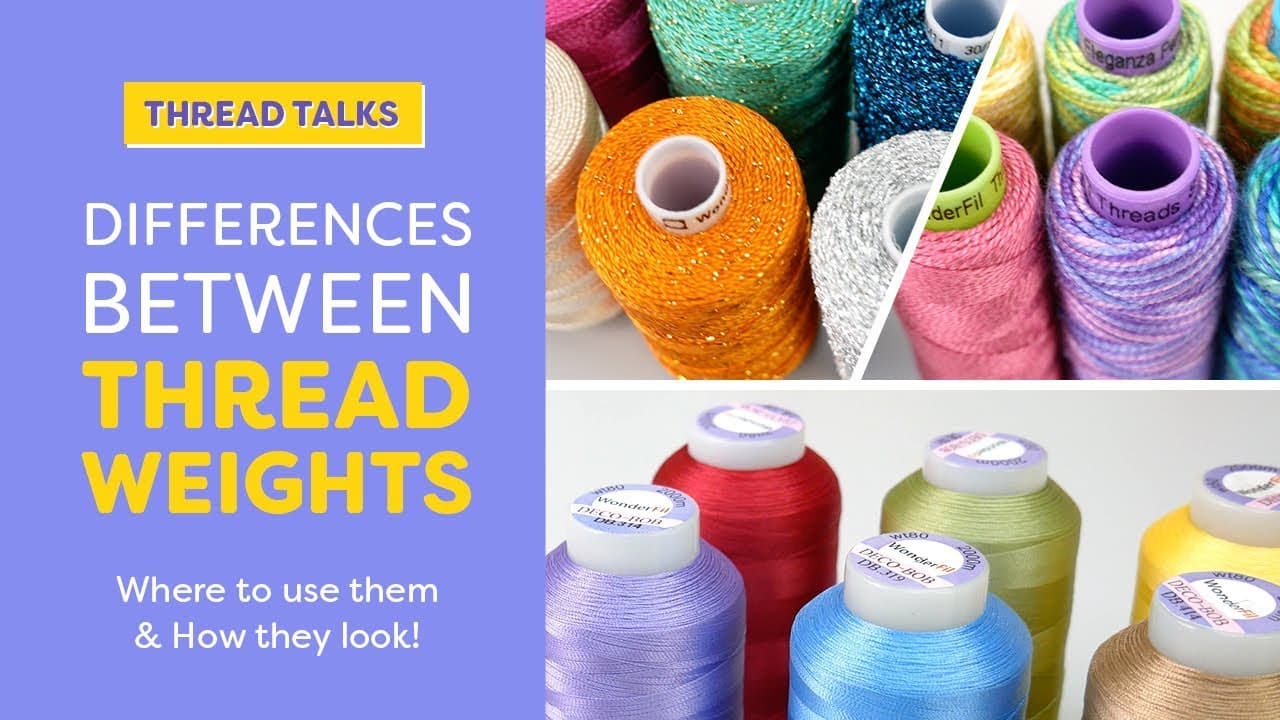
Differences Between Thread Weights Where to Use Them & How They Look
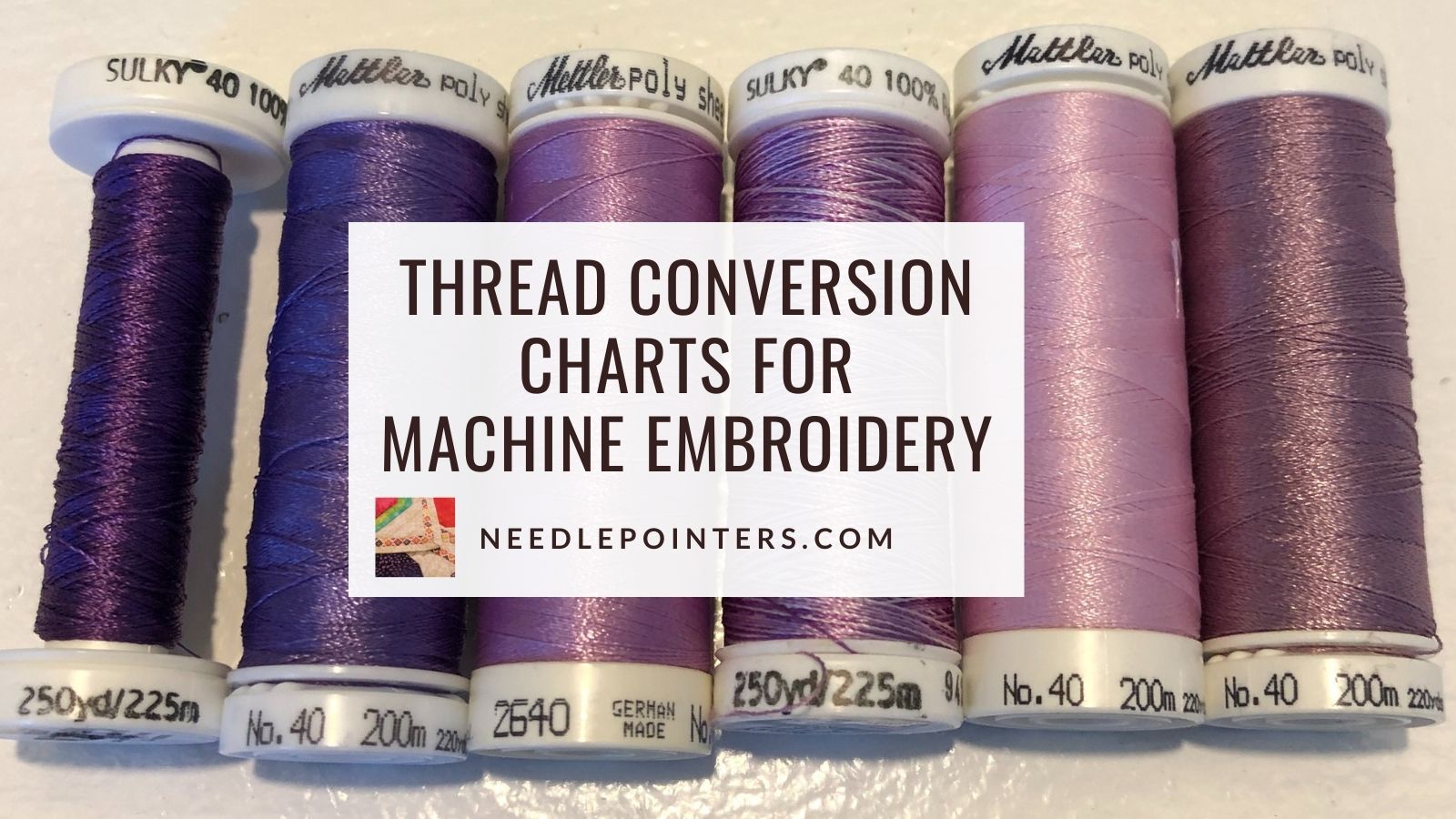
Thread Conversion Charts for Machine Embroidery

Gutermann NEEDLE THREAD SIZE CHART Thread size chart, Quilting
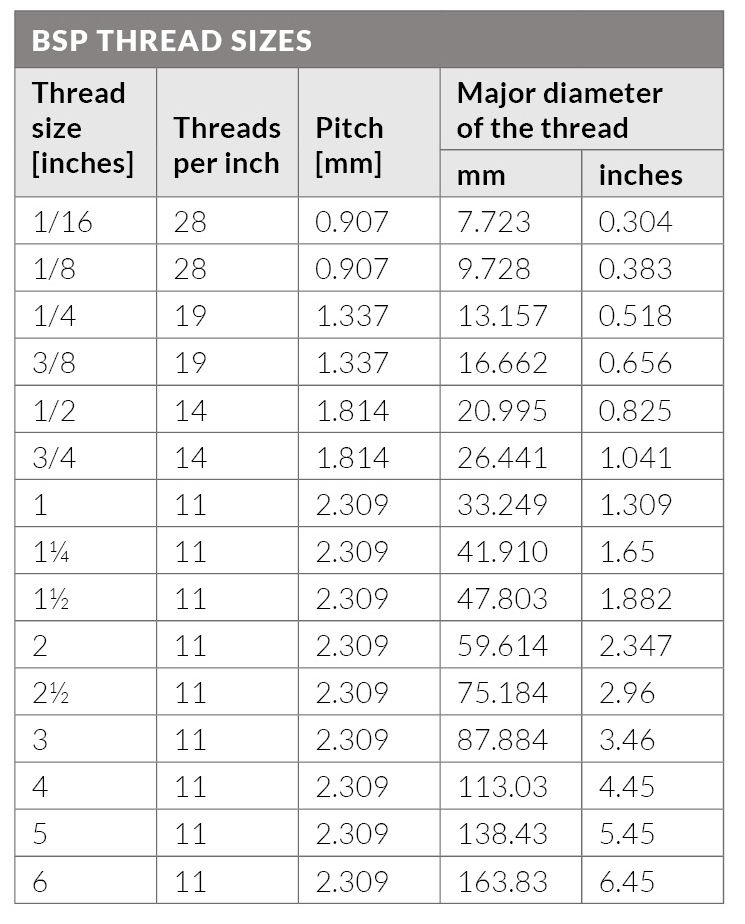
Npt Thread Size Chart

Thread Mastery A Guide to Understanding Thread Sewing Parts Online
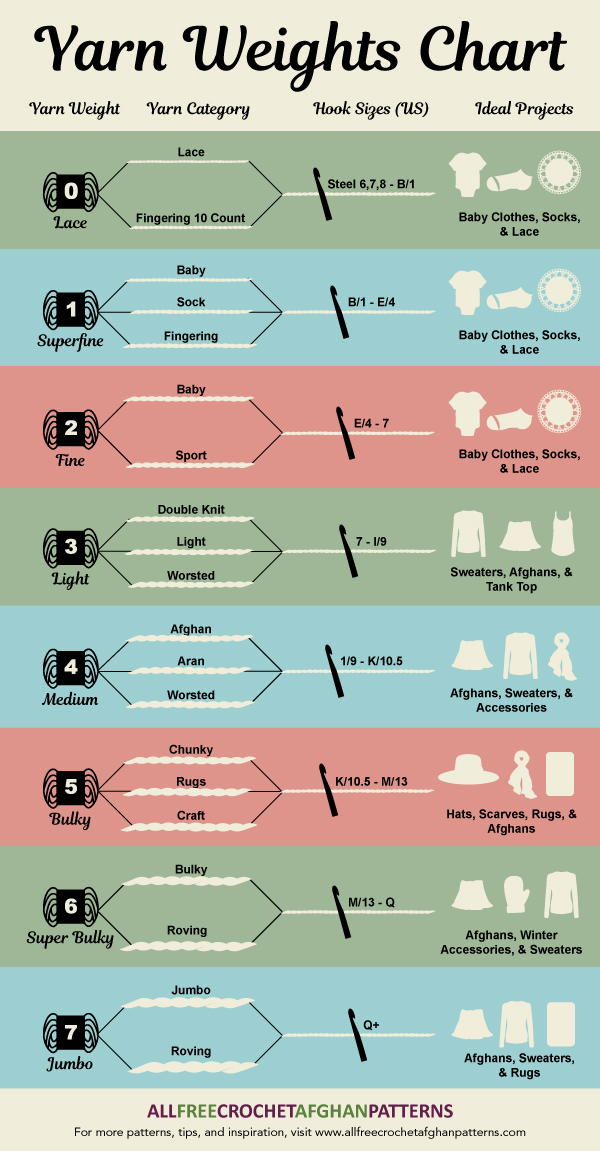
Printable Yarn Weight Chart

Thread Weight Comparison Chart

Coats Thread Color Chart Pdf

Yarn weights explained Dora Does

Quilting Thread Weight Chart
Web Used For Cotton And Other Spun Threads—Weight Is Expressed As The Number Of Kilometers Required Of A Specific Thread To Weigh 1 Kilogram.
To Determine The Weight Of A Sewing Thread, You Need To Know The Length Of The Thread And Its Diameter.
Typically, You Would See A Number That Looks Like 50/2 Or 40/3.
Making Proper Adjustments Relative To Different Thread Weights Will Make Sewing, Quilting, Or Embroidery Projects More Enjoyable.
Related Post: