
Teeth Number Chart Child
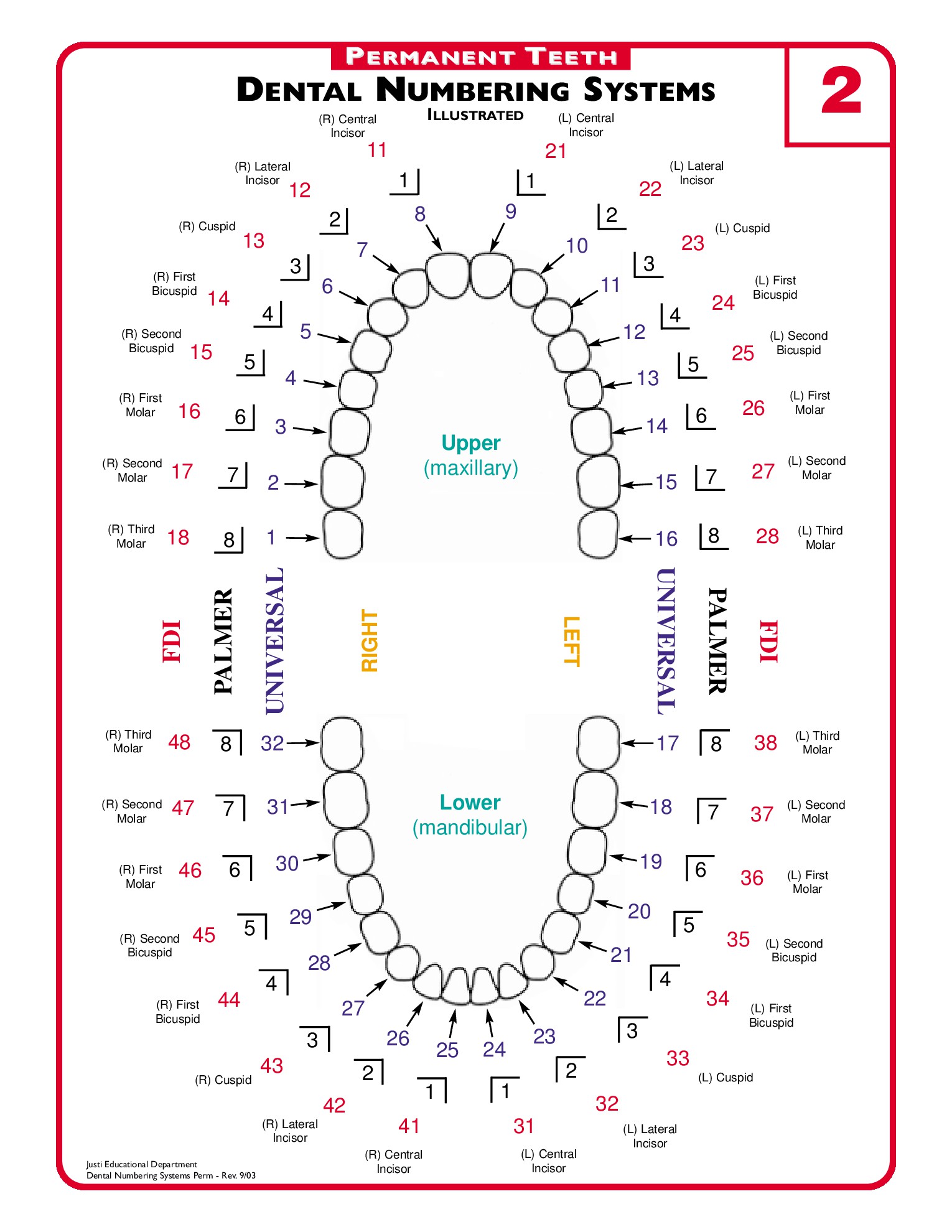
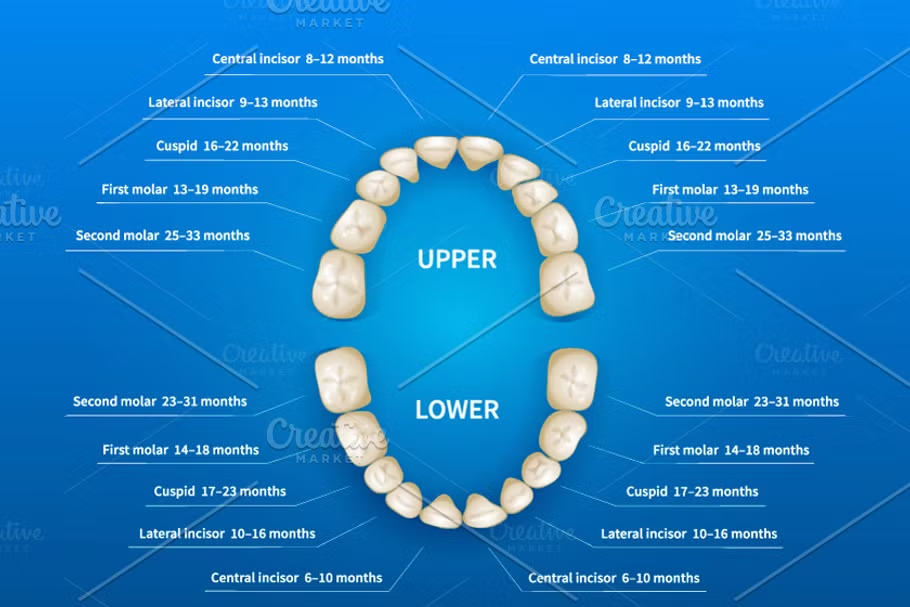
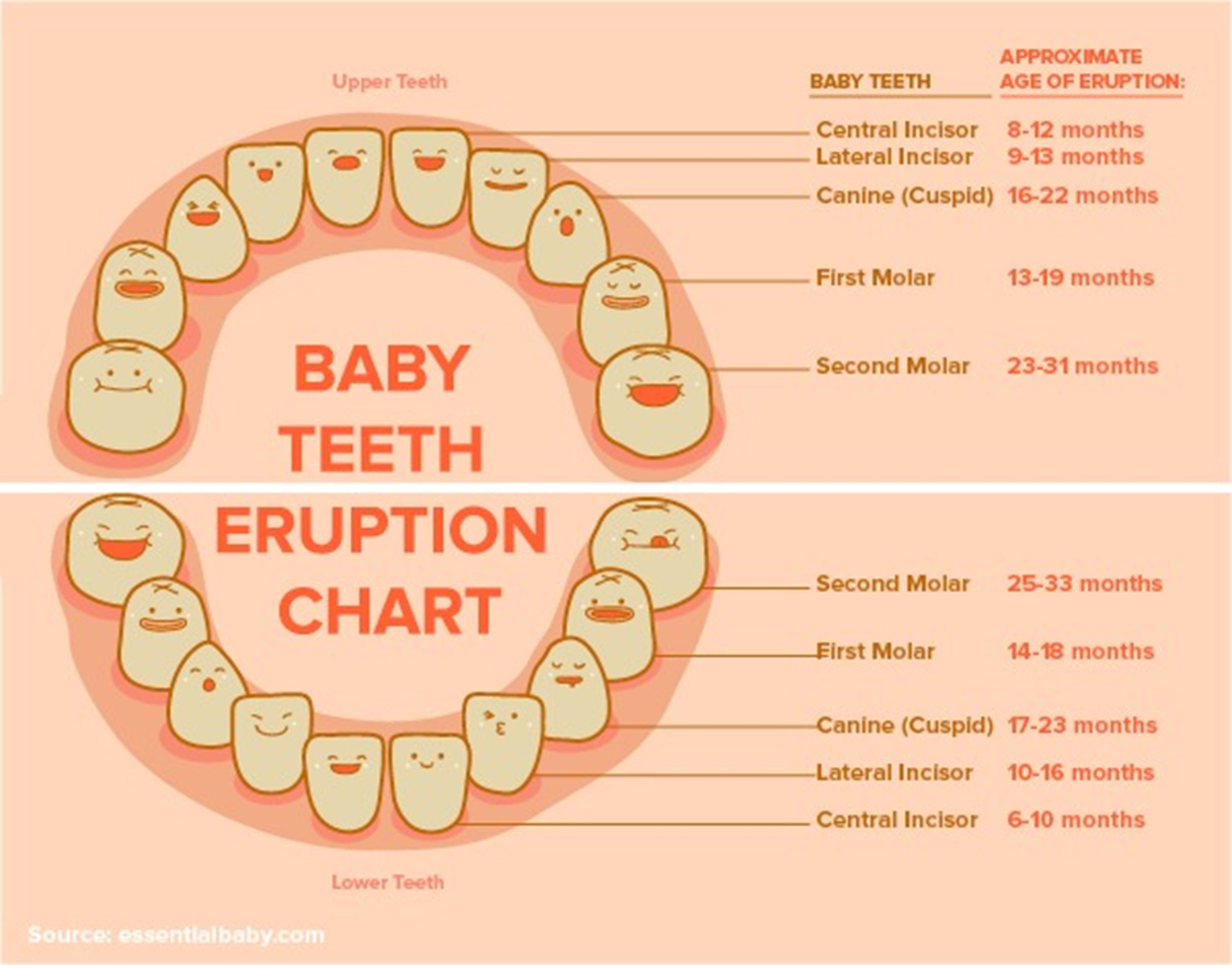
Teeth Number Chart Child - The 8 best toothpastes to buy in 2021. While brushing or searching for cavities, knowing about teeth numbers can help you identify and explain issues to your dentist. In the original system, children's 20 primary teeth are numbered in the same order (from 1 to 20), except that a small letter d follows each number to indicate deciduous (primary) teeth. Here’s what you should know about your. One of the most significant differences in between primary and permanent teeth is amount. Children are born with 20 teeth, while adults develop 32 permanent teeth. Download the following eruption charts: The lower front teeth are often listed first on the primary teeth eruption chart, followed by the second molars, in the order that they erupt. Web there are separate teeth number charts for adults as well as babies. Web there are two things that dentists use numbers for: So, keeping good records through a dental chart is a significant part of a pediatric dentist’s work. Make it fun with children by asking them to locate a tooth. Children are born with 20 teeth, while adults develop 32 permanent teeth. Web at birth people usually have 20 baby (primary) teeth, which start to come in (erupt) at about 6 months of age. For primary teeth, which are baby teeth, the system uses letters a through t. There are two sets of teeth number charts, baby teeth and adult teeth. On this page, you can find all common tooth numbering systems. Web baby teeth, also called primary or deciduous teeth, are temporary placeholders for the permanent set, but they play an important role in your child's development. Web learning teeth numbers will help you understand each tooth’s function in the mouth. That number increases to 32 when your permanent teeth come in. The way each tooth is given its letter is the exact same as adult teeth. Four cuspids (also called canine teeth or eyeteeth). On this page, you can find all common tooth numbering systems. By age 21, all 32 of the permanent teeth have usually erupted. So, keeping good records through a dental chart is a significant part of a. Here’s what you should know about your. Download the following eruption charts: That number increases to 32 when your permanent teeth come in. One of the most significant differences in between primary and permanent teeth is amount. Web learning teeth numbers will help you understand each tooth’s function in the mouth. Web types of kid teeth chart. It helps identify and classify the condition of each tooth, facilitating communication among dental professionals and aiding in treatment planning. Download the following eruption charts: Web a child's mouth has 20 initial teeth, also called primary teeth, baby teeth, or deciduous teeth: On this page, you can find all common tooth numbering systems. We’ve got a separate page on bpe scores (gum scores) and what they mean. Web this chart identifies each tooth in the mouth with a specific number for adult teeth or letter for baby teeth. By age 21, all 32 permanent teeth have. By age 21, all 32 of the permanent teeth have usually erupted. Web there are two things. It helps identify and classify the condition of each tooth, facilitating communication among dental professionals and aiding in treatment planning. Make it fun with children by asking them to locate a tooth. (it’s a teaching opportunity for toddlers, and we love singing along!) Four cuspids (also called canine teeth or eyeteeth). Web there is only one major difference between a. Four cuspids (also called canine teeth or eyeteeth). The permanent teeth begin to erupt, and replace the primary teeth, at 6 years of age. Web as a child, you have 20 primary teeth. They fall out, or shed, at various times throughout childhood. Tooth chart, free baby tooth chart, baby tooth chart, dental tooth chart, tooth eruption chart created date: Web while adults have 32 teeth, children only have 20, and a different tooth chart may be used altogether. Four cuspids (also called canine teeth or eyeteeth). We’ve got a separate page on bpe scores (gum scores) and what they mean. On the other hand, children have 20 primary teeth and start to grow their first actual teeth by the. Web a tooth numbering chart is a system used to record information about specific teeth. The latter set includes four. By age 21, all 32 permanent teeth have. One of the most significant differences in between primary and permanent teeth is amount. Identifying each tooth in such a way can be helpful when taking care of your teeth or identifying. Web a child usually has 20 baby teeth, which start to come through at about 6 months of age. By age 21, all 32 of the permanent teeth have usually erupted. For primary teeth, which are baby teeth, the system uses letters a through t. Web baby teeth, also called primary or deciduous teeth, are temporary placeholders for the permanent. Knowing teeth numbers is the first step in understanding your dental treatment plan. Download the following eruption charts: An adult has 32 teeth, teeth names and number are given based on their arch, class, type, and side. Web types of kid teeth chart. To record changes to your dental health, dentists use a. It helps identify and classify the condition of each tooth, facilitating communication among dental professionals and aiding in treatment planning. Web this chart identifies each tooth in the mouth with a specific number for adult teeth or letter for baby teeth. Identifying each tooth in such a way can be helpful when taking care of your teeth or identifying any problems with a particular tooth. Knowing teeth numbers is the first step in understanding your dental treatment plan. Web there are separate teeth number charts for adults as well as babies. However, most dentists today use a modified version of the universal numbering system for children, with letters instead of teeth numbers. Web primary (baby) teeth are identified by letters and permanent teeth by numbers. In the original system, children's 20 primary teeth are numbered in the same order (from 1 to 20), except that a small letter d follows each number to indicate deciduous (primary) teeth. These teeth are referred to as numbers, 1 (central incisor) to 8 (3 rd molar or ‘wisdom’ tooth). The biggest difference is baby teeth charts use letters and adult teeth charts use numbers. On the other hand, children have 20 primary teeth and start to grow their first actual teeth by the age of 6. For primary teeth, which are baby teeth, the system uses letters a through t. Web there is only one major difference between a baby’s chart and an adult chart, and that is the number of teeth. The permanent teeth begin to erupt, and replace the primary teeth, at 6 years of age. Make it fun with children by asking them to locate a tooth. By age 21, all 32 permanent teeth have.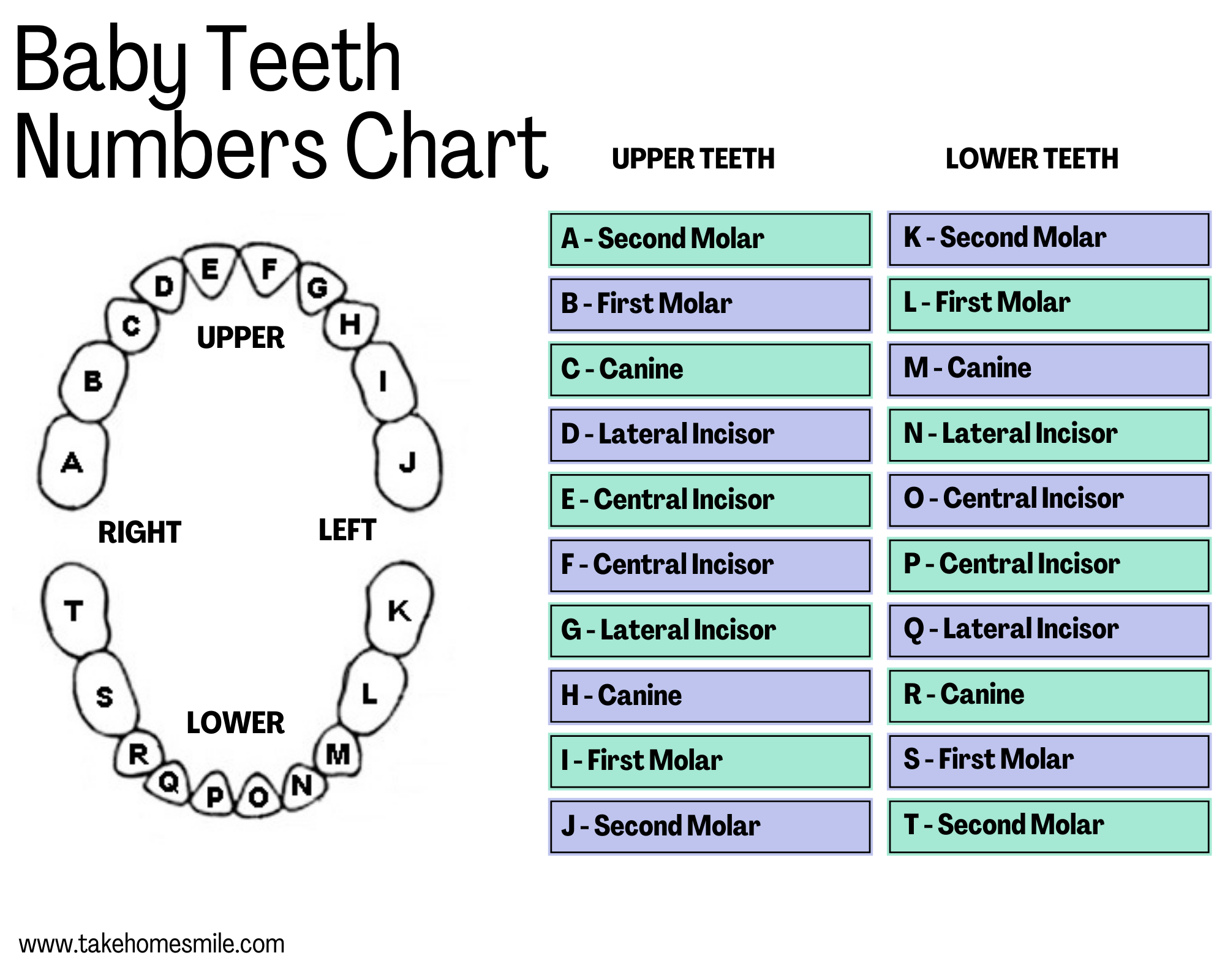
Understanding Teeth Numbers A Visual Guide Take Home Smile
Printable Tooth Chart With Numbers
Children tooth numbering chart Creative Daddy
Baby Teeth Numbers Chart
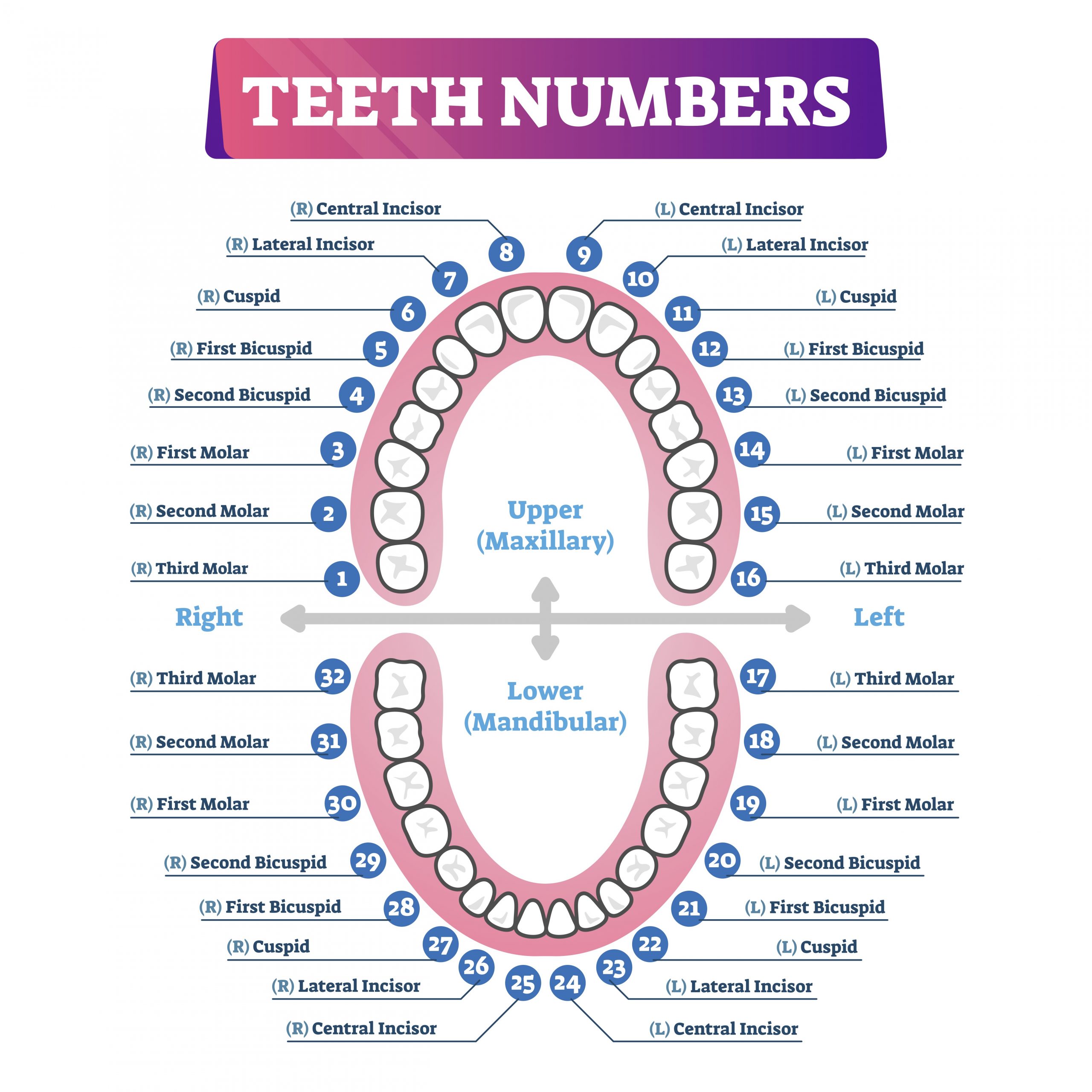
Tooth Number Chart to Identify Primary Teeth Eruption Charts
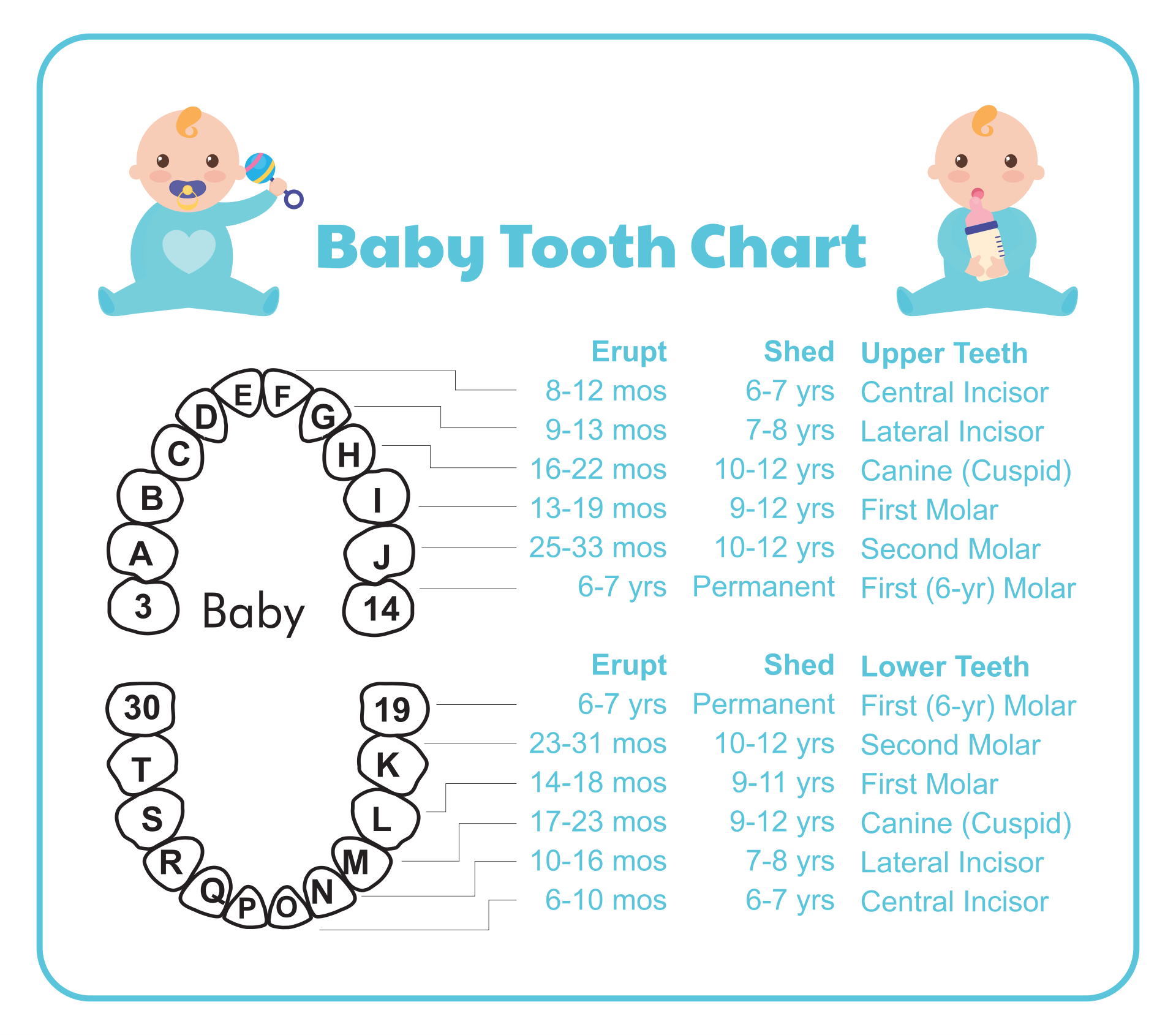
Printable Tooth Number Chart
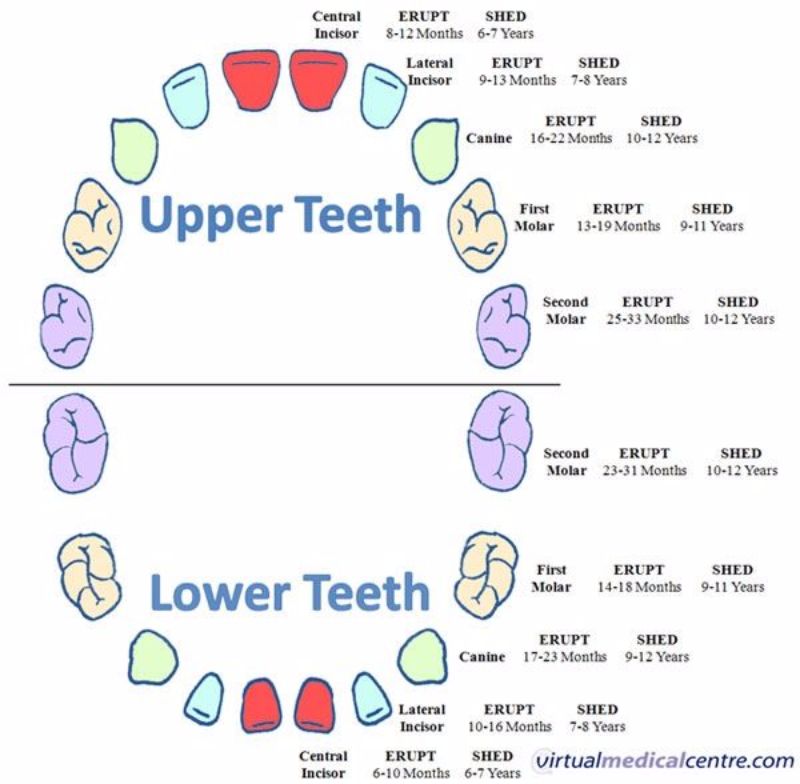
38 Printable Baby Teeth Charts & Timelines Template Lab
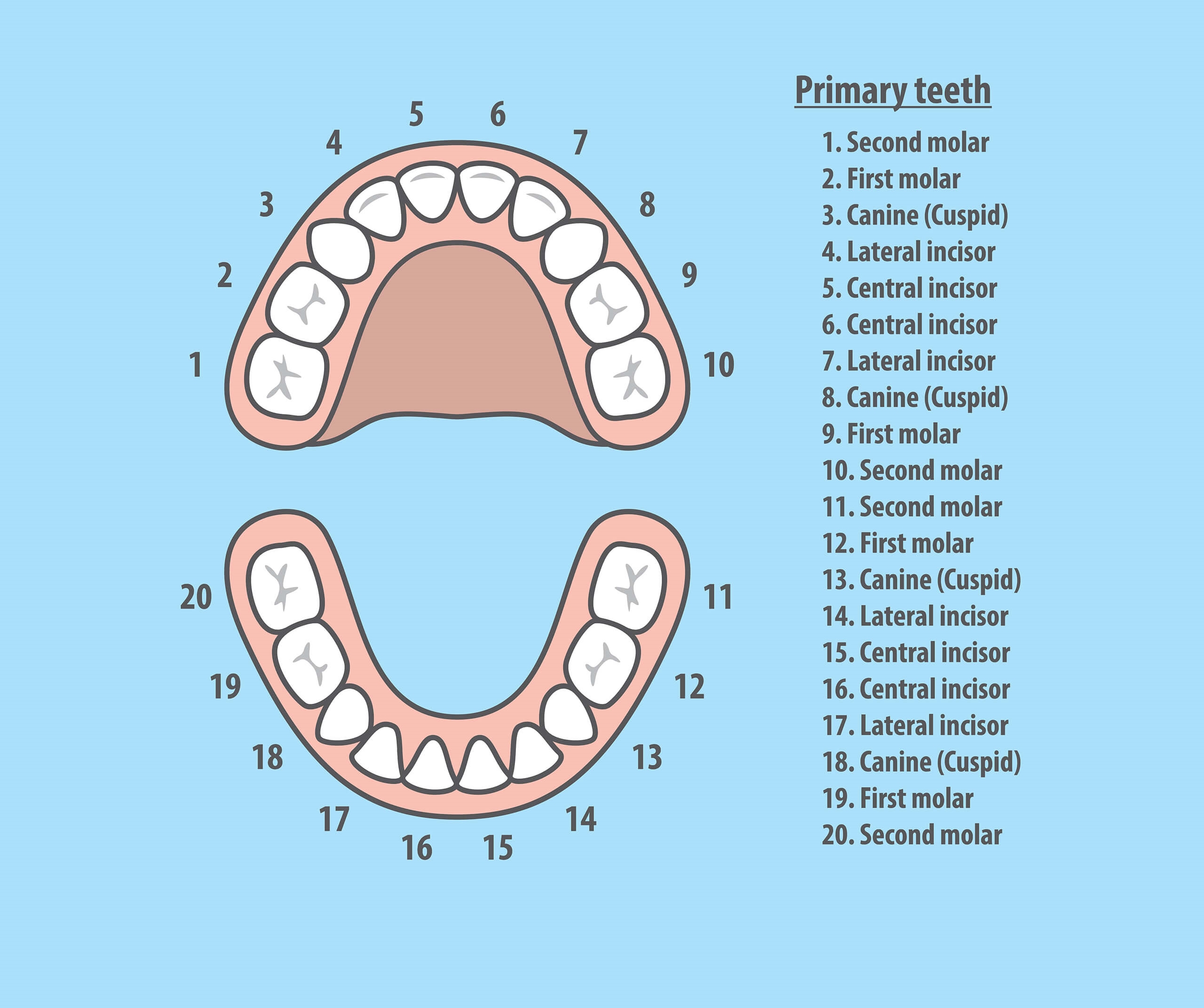
Tooth Number Chart for Adults and Children Grosse Pointe Dentist
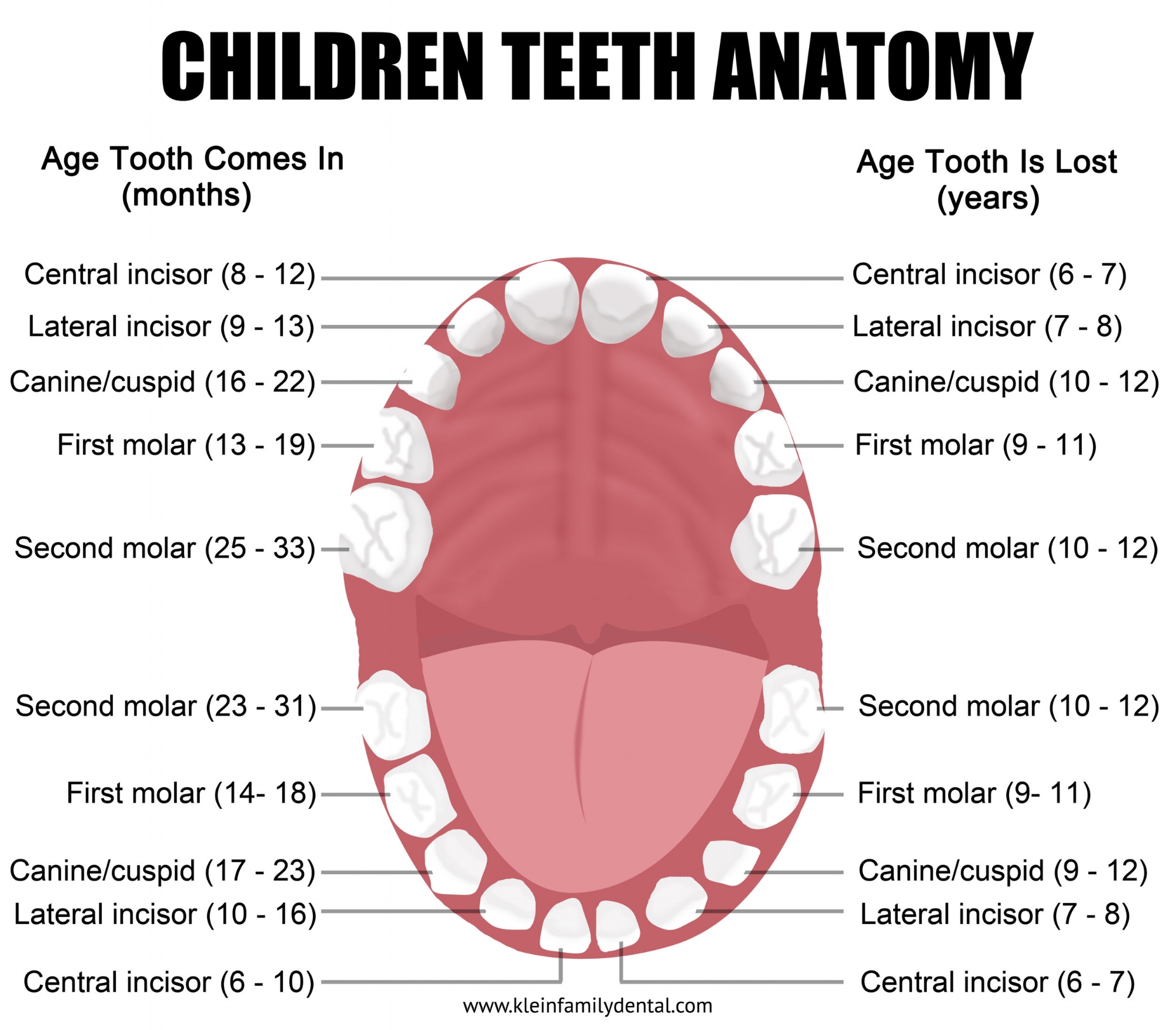
Pediatric Tooth Chart — Klein Family Dental
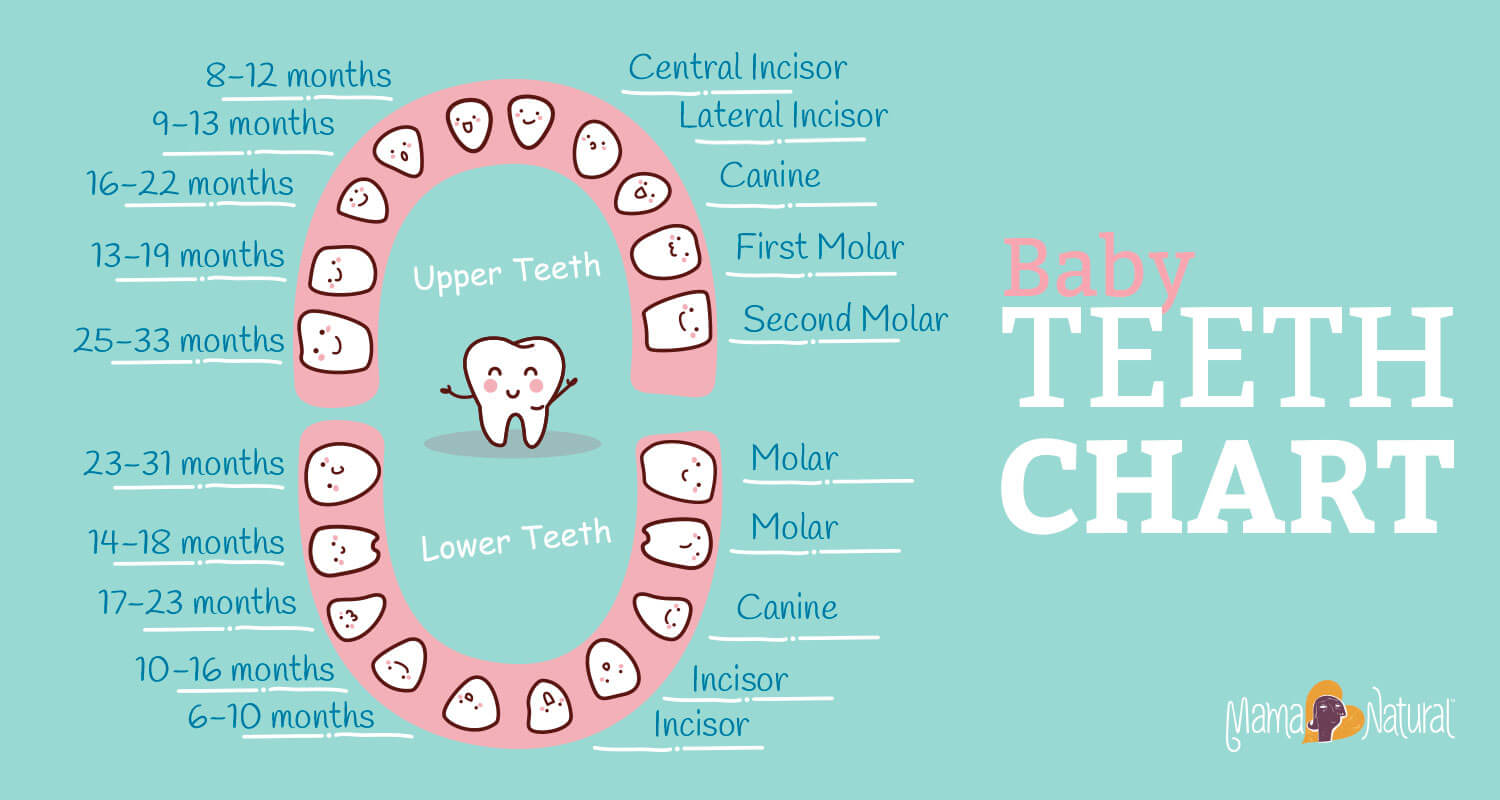
Baby Teething Chart What Order Do They Come In? Mama Natural
Here’s What You Should Know About Your.
Web As A Child, You Have 20 Primary Teeth.
Web While Adults Have 32 Teeth, Children Only Have 20, And A Different Tooth Chart May Be Used Altogether.
The Latter Set Includes Four.
Related Post: