
Fruit Freeze Damage Chart
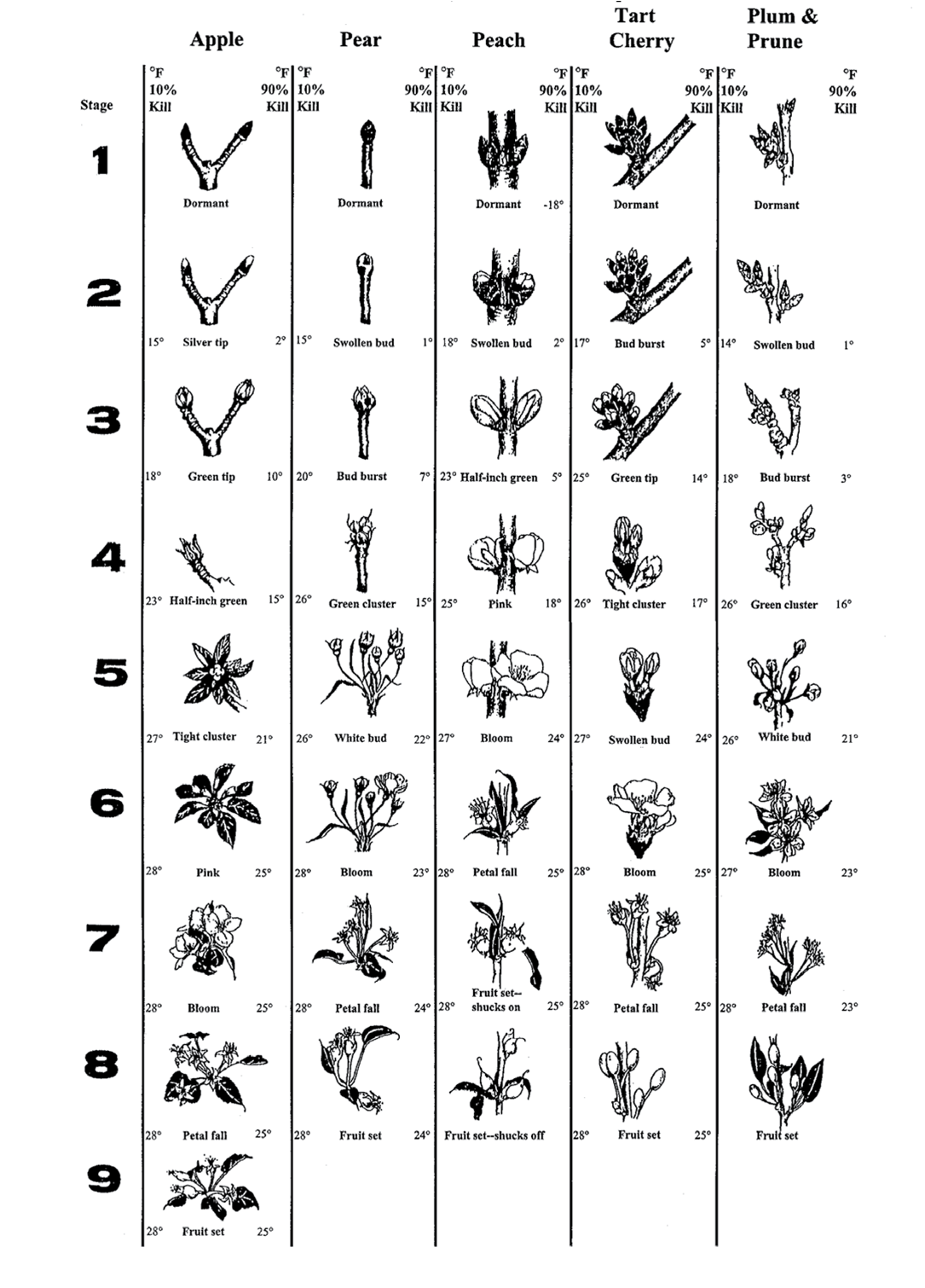
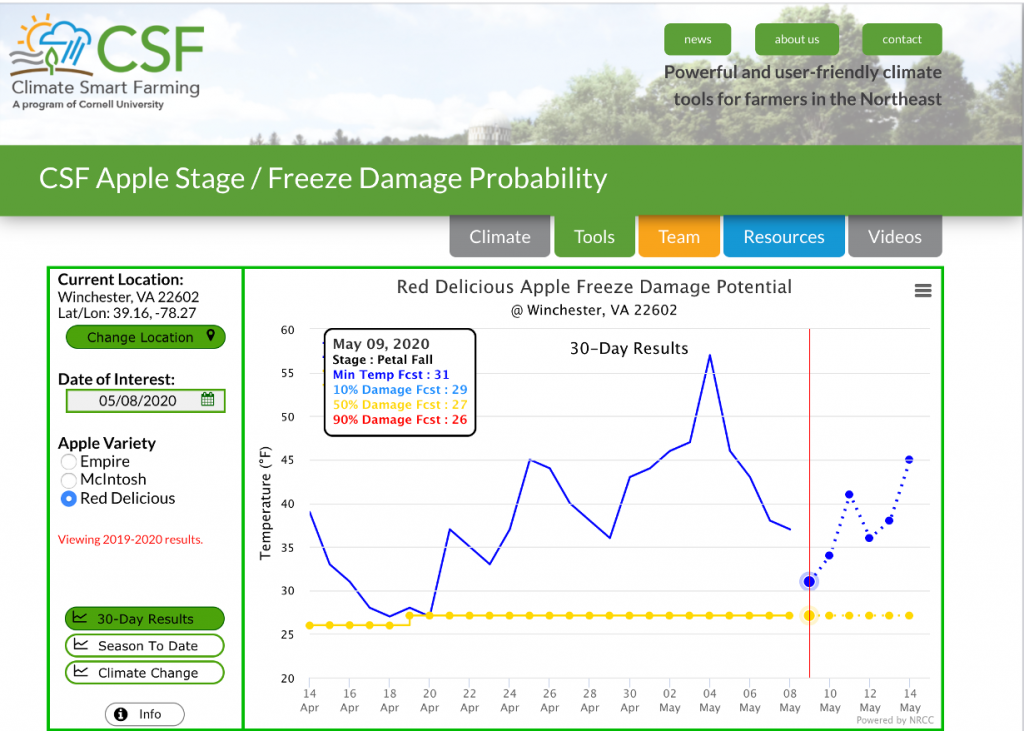
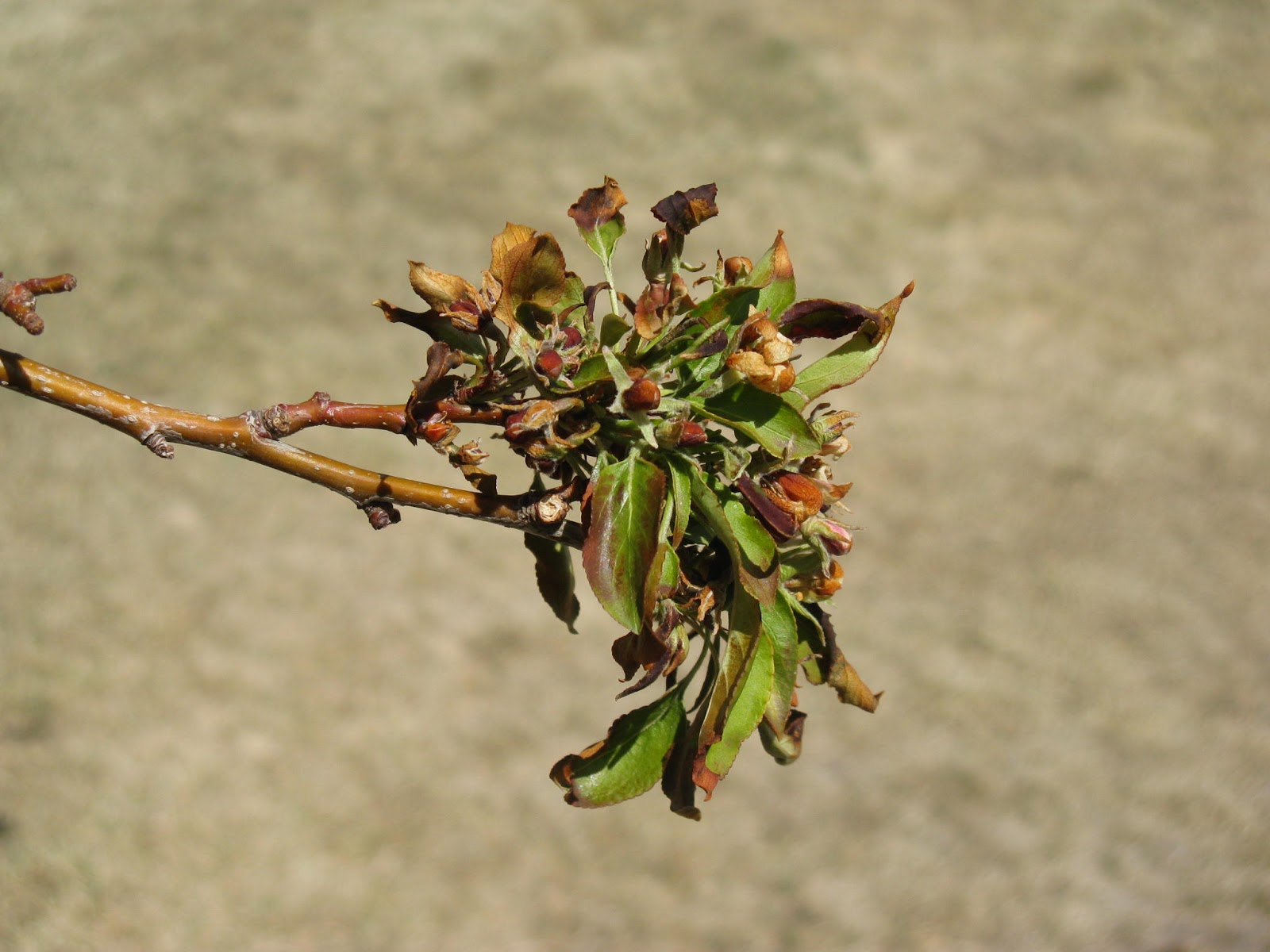
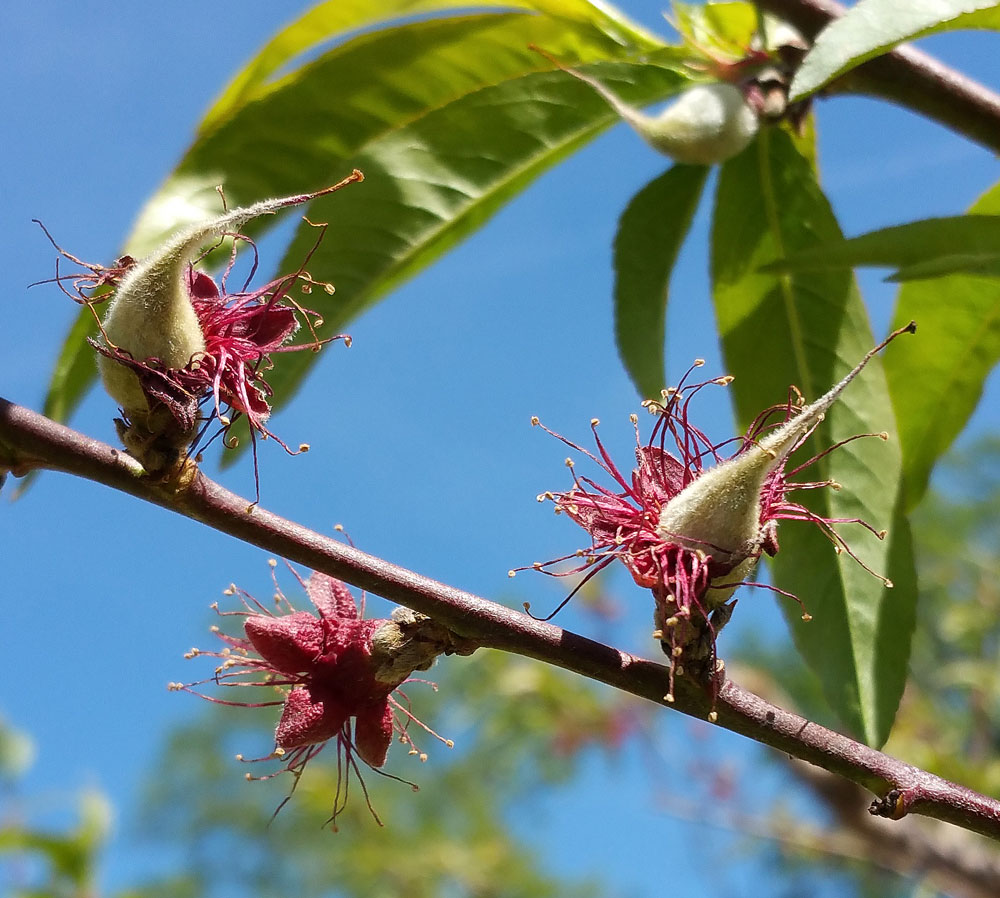
Fruit Freeze Damage Chart - Web critical temperatures and bud stage charts. A closed bud could be fine down to 20f, but a new fruit could be destroyed just below. This article contains pictures of frost damaged flowers for growers. Web i ran across this useful chart from utah state university on the temperature thresholds that cause damage to a variety of fruit trees. Web the flower development chart of apricot, peach/nectarine, and apple in figure 1 can be used to guide frost management practices based on forecasted temperatures. Web 47 rows the table below shows the average temperatures required to kill 10 percent and 90 percent of buds if they are exposed for 30 minutes. Web critical spring temperatures for tree fruit bud development stages. Web freeze damage to deciduous fruit crops can occur when temperatures dip below 31 degrees f. Web damage from freezes depends on the development stage of the fruit crop. Web i’m about to see what damage occurs when the temperature dips below freezing. However, various fruit types can withstand temperatures lower. Hoping my plums, pears and. It is important to evaluate cold damage in order to determine future crop protection efforts. Web experienced fruit growers can quickly assess the damage in the days following a freeze. Web damage from freezes depends on the development stage of the fruit crop. Web consult reliable resources and fruit freeze damage charts to help you determine when to cover your fruit trees to protect them from frosts or killing temperatures. Web when small floral structures such as flowers or fruits freeze, they may take on several forms of damage. The level of damage is directly related to cold intensity and duration as well as bud developmental stage. Web the temperature at which a blossom/fruit is damaged rises as the flower develops (e.g. Severe temperatures usually destroy the entire buds, flower, or ovules. Web table of common tree fruit with bud stage names and the critical temperature ranges that will cause between 10% and 90% injury to the flower buds, all. However, various fruit types can withstand temperatures lower. Web the flower development chart of apricot, peach/nectarine, and apple in figure 1 can be used to guide frost management practices based on forecasted. Web damage from freezes depends on the development stage of the fruit crop. Web freeze dates (first and last by location) However, various fruit types can withstand temperatures lower. It is important to evaluate cold damage in order to determine future crop protection efforts. A closed bud could be fine down to 20f, but a new fruit could be destroyed. It is important to evaluate cold damage in order to determine future crop protection efforts. Web old standard temperature is the lowest temperature that can be endured for 30 minutes without damage. Web the following table, developed by washington state university, lists fahrenheit temperatures for each stage of development at which 10% and 90% bud kill occurs after. Web the. This article contains pictures of frost damaged flowers for growers. Severe temperatures usually destroy the entire buds, flower, or ovules. Web freeze damage to deciduous fruit crops can occur when temperatures dip below 31 degrees f. Web the temperature at which a blossom/fruit is damaged rises as the flower develops (e.g. Web table of common tree fruit with bud stage. Web old standard temperature represented the critical temperature in fahrenheit (the lowest temperature that can be endured for 30 minutes without damage). Web freeze dates (first and last by location) Web after a frost event, it is good to evaluate fruit trees for frost/cold damage. Web freeze/frost events can damage fruit buds and young fruit. Web consult reliable resources and. This article contains pictures of frost damaged flowers for growers. Web the following table, developed by washington state university, lists fahrenheit temperatures for each stage of development at which 10% and 90% bud kill occurs after. Web old standard temperature is the lowest temperature that can be endured for 30 minutes without damage. This chart also shows the temperature that. A closed bud could be fine down to 20f, but a new fruit could be destroyed just below. Web old standard temperature represented the critical temperature in fahrenheit (the lowest temperature that can be endured for 30 minutes without damage). Web experienced fruit growers can quickly assess the damage in the days following a freeze. This article contains pictures of. Web freeze dates (first and last by location) Web critical temperatures and bud stage charts. Web freeze damage to deciduous fruit crops can occur when temperatures dip below 31 degrees f. Web i’m about to see what damage occurs when the temperature dips below freezing. Old standard temperature is the lowest temperature that can be endured for 30 minutes. Web damage from freezes depends on the development stage of the fruit crop. Web old standard temperature represented the critical temperature in fahrenheit (the lowest temperature that can be endured for 30 minutes without damage). The level of damage is directly related to cold intensity and duration as well as bud developmental stage. Web freeze/frost events can damage fruit buds. Web freeze damage to deciduous fruit crops can occur when temperatures dip below 31 degrees f. Web critical temperatures and bud stage charts. The level of damage is directly related to cold intensity and duration as well as bud developmental stage. Web critical spring temperatures for tree fruit bud development stages. Web after a frost event, it is good to. Tianna dupont, tree fruit extension specialist. Web table of common tree fruit with bud stage names and the critical temperature ranges that will cause between 10% and 90% injury to the flower buds, all. Web the following table, developed by washington state university, lists fahrenheit temperatures for each stage of development at which 10% and 90% bud kill occurs after. Web 47 rows the table below shows the average temperatures required to kill 10 percent and 90 percent of buds if they are exposed for 30 minutes. Web old standard temperature represented the critical temperature in fahrenheit (the lowest temperature that can be endured for 30 minutes without damage). Web freeze dates (first and last by location) Web the temperature at which a blossom/fruit is damaged rises as the flower develops (e.g. Web old standard temperature is the lowest temperature that can be endured for 30 minutes without damage. Web freeze/frost events can damage fruit buds and young fruit. Web critical spring temperatures for tree fruit bud development stages. Web after a frost event, it is good to evaluate fruit trees for frost/cold damage. A closed bud could be fine down to 20f, but a new fruit could be destroyed just below. This chart also shows the temperature that will kill 10 % and 90 % of. Old standard temperature is the lowest temperature that can be endured for 30 minutes. Hoping my plums, pears and. It is important to evaluate cold damage in order to determine future crop protection efforts.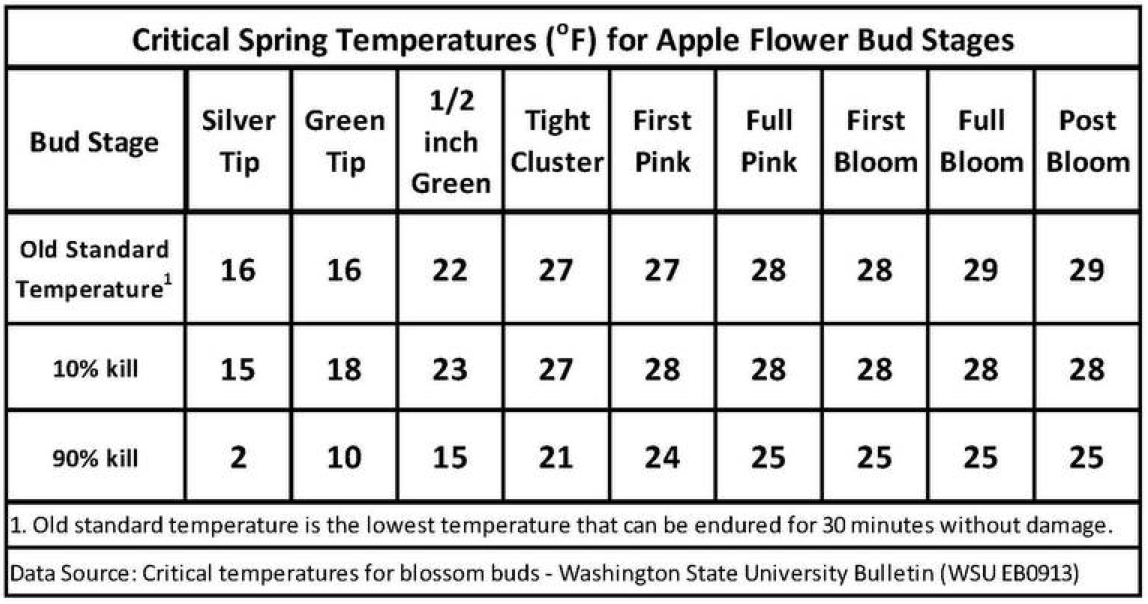
Flower Bud Damage Assessments of Hudson Valley Apple; April 8th, 2016
Fruit Freeze Damage Chart
Fruit Freeze Damage Chart A Visual Reference of Charts Chart Master
Fruit Freeze Damage Chart
Fruit Freeze Damage Chart
Critical Temperatures Frost Damage Fruit Trees Utah Plants

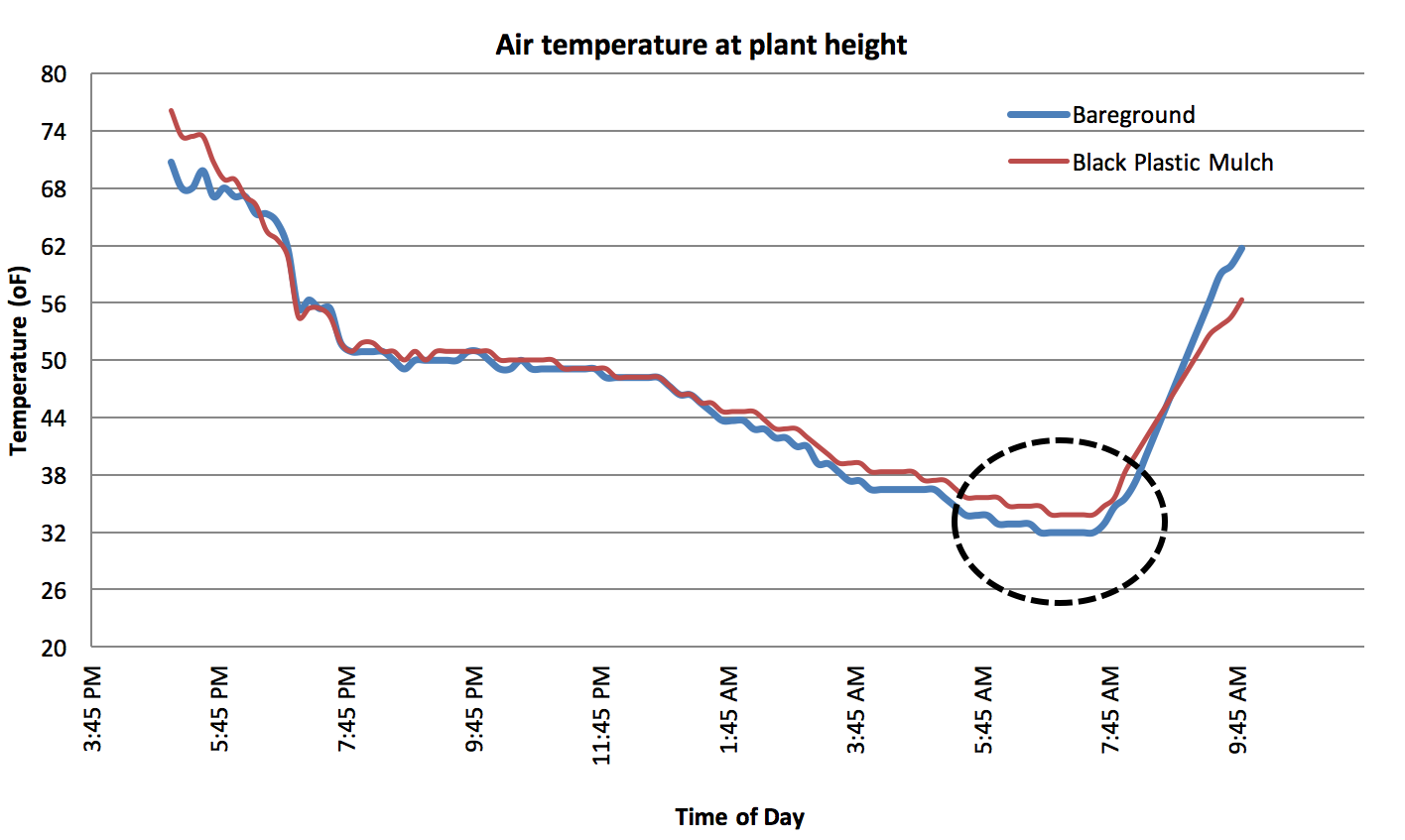
Temperatures Expected to Dip to Near Freezing, Berry Crops Could Suffer
Fruit Freeze Damage Chart
Fruit Freeze Damage Chart
Critical Spring Temperatures for Tree Fruit Bud Development Stages
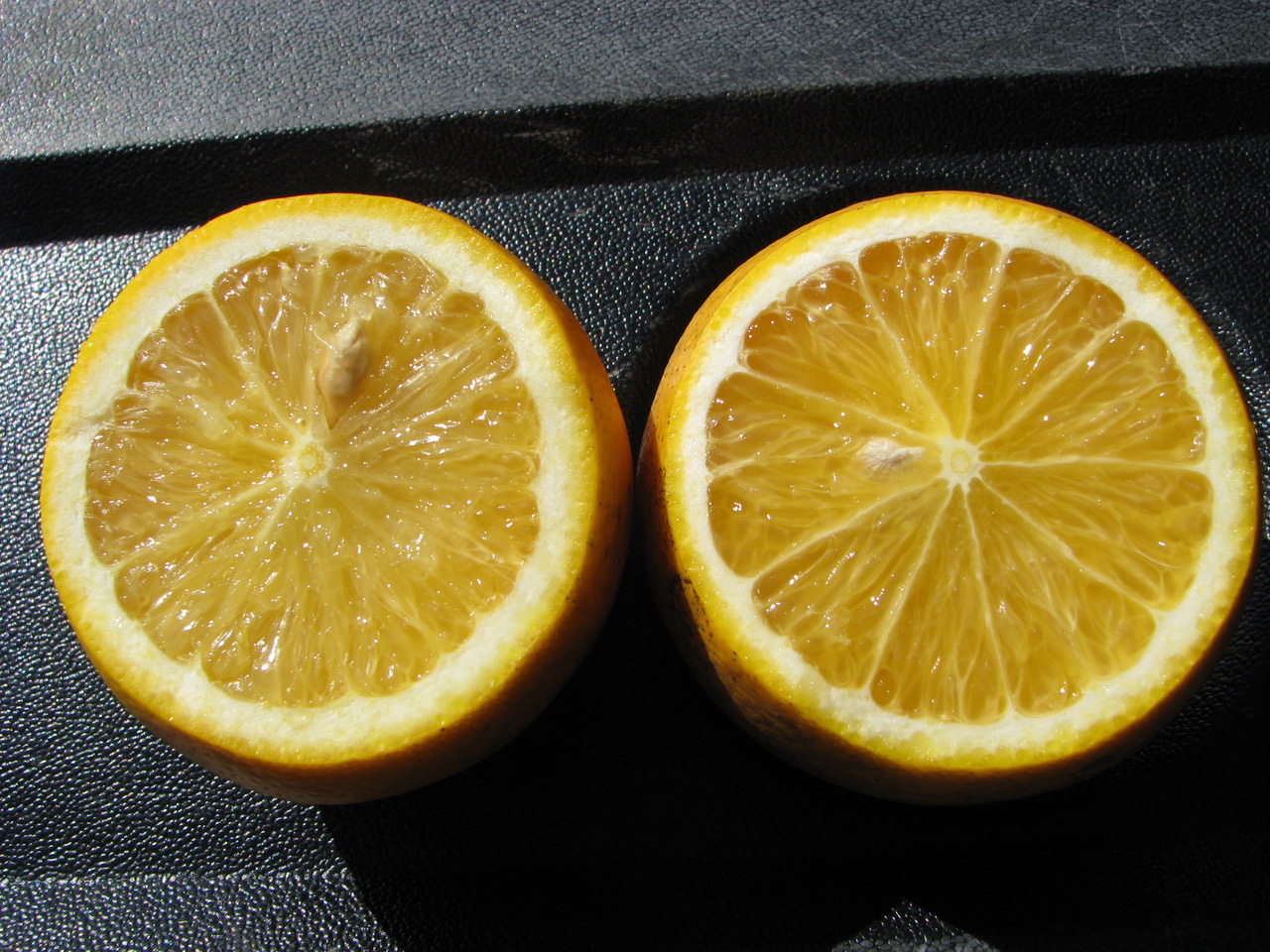
Severe Temperatures Usually Destroy The Entire Buds, Flower, Or Ovules.
Web Critical Temperatures And Bud Stage Charts.
Web Freeze Damage To Deciduous Fruit Crops Can Occur When Temperatures Dip Below 31 Degrees F.
It Is 31 Degrees At 4:35Am.
Related Post:

