
Bidermans Chart Of Coercion
Bidermans Chart Of Coercion - Web biderman’s listed eight general methods used to coerce and induce compliance. Used to torture prisoners of war. Methods of power and control used in abusive relationships. Farra, strauss, and giroux), 1973. The chart lists eight chronological general methods of torture that will psychologically break an individual. This is now referred to as biderman’s chart of coercive control. While physical violence was not identified in this chart, the threat of violence played. Web biderman’s chart of coercion. Web in his chart of coercion, biderman summarized the mechanisms for brainwashing: (1) isolation, (2) monopolization of perception, (3) induced debility and exhaustion, (4) threats, (5) occasional indulgences, (6) demonstrating omnipotence, and (7) degradation. The chart lists eight chronological general methods of torture that will psychologically break an individual. Published online 4 november 2014. While physical violence was not identified in this chart, the threat of violence played. Web social psychologist, biderman, developed the chart of coercion to identify the specific behaviors that for decades have also been recognized in the field of domestic violence as similar to what. Used to torture prisoners of war. This is now referred to as biderman’s chart of coercive control. It discusses how isolation, monopolization of perception, induced debility and exhaustion, and occasional indulgences can manipulate victims into compliance. (1) isolation, (2) monopolization of perception, (3) induced debility and exhaustion, (4) threats, (5) occasional indulgences, (6) demonstrating omnipotence, and (7) degradation. Web biderman’s chart of coercion, seen in the context of the response to coronavirus, raises important questions on how far the general public, along with empowered governments, can go to. A tool designed to demonstrate and explain the coercive methods of stress manipulation. Used to torture prisoners of war. Web abusers use a variety of techniques in order to coerce others into behaving the way they want. Web social psychologist, biderman, developed the chart of coercion to identify the specific behaviors that for decades have also been recognized in the field of domestic violence as similar to what. Web the document summarizes biderman's. Web biderman’s listed eight general methods used to coerce and induce compliance. The chart lists eight chronological general methods of torture that will psychologically break an individual. Web this document outlines biderman's chart of coercion, which describes psychological techniques used to exert control over victims. Farra, strauss, and giroux), 1973. A tool designed to demonstrate and explain the coercive methods. Web this document outlines biderman's chart of coercion, which describes psychological techniques used to exert control over victims. Web “psychological coercion in human trafficking: They must often avoid displays of fear, sorrow or. People subjected to this type of spiritual abuse become worn out by tension, fear and continual rushing about in an effort to meet group standards. Web power. Web the lockdown control measures introduced and implemented by the government can be critically evaluated in the light of biderman's chart of coercion, comprising different components including isolation, monopolization of perception, humiliation and degradation, exhaustion, forcing trivial demands, occasional indulgences, demonstrating. While physical violence was not identified in this chart, the threat of violence played. A tool designed to demonstrate. A tool designed to demonstrate and explain the coercive methods of stress manipulation used to torture prisoners of war. Web this document summarizes biderman's chart of coercion, which outlines coercive methods used to torture prisoners of war that have also been applied to explain techniques of domestic abuse. Web power and control comparison. This is now referred to as biderman’s. Web biderman’s “chart of coercion” when viewed as a whole illuminates the interconnectedness of these varied tactics (hill, 2019). People subjected to this type of spiritual abuse become worn out by tension, fear and continual rushing about in an effort to meet group standards. Monopolization of perception (fixes attention on immediate predicament; This is now referred to as biderman’s chart. Monopolization of perception (fixes attention on immediate predicament; Web participants reported experiencing the range of nonphysical coercive tactics outlined by biderman, including isolation, monopolization of perception, induced debility or exhaustion, threats, occasional indulgences, demonstration of omnipotence, degradation, and enforcement of trivial demands. They must often avoid displays of fear, sorrow or. Web biderman’s chart of coercion. Methods of power and. Web biderman’s chart of coercion. Web biderman's chart of coercion, also called biderman's principles, is a table developed by sociologist albert biderman in 1957 to illustrate the methods of chinese and korean torture on american prisoners of war from the korean war. Web “psychological coercion in human trafficking: Web the document summarizes biderman's chart of coercion, which outlines eight techniques. Farra, strauss, and giroux), 1973. People subjected to this type of spiritual abuse become worn out by tension, fear and continual rushing about in an effort to meet group standards. It has since been applied to explain the. Web this document outlines biderman's chart of coercion, which describes psychological techniques used to exert control over victims. They must often avoid. Web biderman’s chart of coercion. An application of biderman’s framework.” baldwin, susan b., fehrenbacher, anne e. Web biderman's chart of coercion, also called biderman's principles, is a table developed by sociologist albert biderman in 1957 to illustrate the methods of chinese and korean torture on american prisoners of war from the korean war. Web power and control comparison. Methods of. This is originally a tool designed to demonstrate and explain the coercive methods used to torture prisoners of war. Amnesty international, report on torture (new york: Web biderman's chart of coercion, also called biderman's principles, is a table developed by sociologist albert biderman in 1957 to illustrate the methods of chinese and korean torture on american prisoners of war from the korean war. Web this document summarizes biderman's chart of coercion, which outlines coercive methods used to torture prisoners of war that have also been applied to explain techniques of domestic abuse. Web biderman’s chart of coercion. An application of biderman’s framework.” baldwin, susan b., fehrenbacher, anne e. Web participants reported experiencing the range of nonphysical coercive tactics outlined by biderman, including isolation, monopolization of perception, induced debility or exhaustion, threats, occasional indulgences, demonstration of omnipotence, degradation, and enforcement of trivial demands. Web the document describes seven methods for controlling people: Web “psychological coercion in human trafficking: In 1956 the psychologist albert biderman developed a framework for understanding the methods foreign armies used to extract false confessions from prisoners of war. People subjected to this type of spiritual abuse become worn out by tension, fear and continual rushing about in an effort to meet group standards. They must often avoid displays of fear, sorrow or. Web participants reported experiencing the range of nonphysical coercive tactics outlined by biderman, including isolation, monopolization of perception, induced debility or exhaustion, threats, occasional indulgences, demonstration of omnipotence, degradation, and enforcement of trivial demands. Web the lockdown control measures introduced and implemented by the government can be critically evaluated in the light of biderman's chart of coercion, comprising different components including isolation, monopolization of perception, humiliation and degradation, exhaustion, forcing trivial demands, occasional indulgences, demonstrating. A tool designed to demonstrate and explain the coercive methods of stress manipulation used to torture prisoners of war. Used to torture prisoners of war.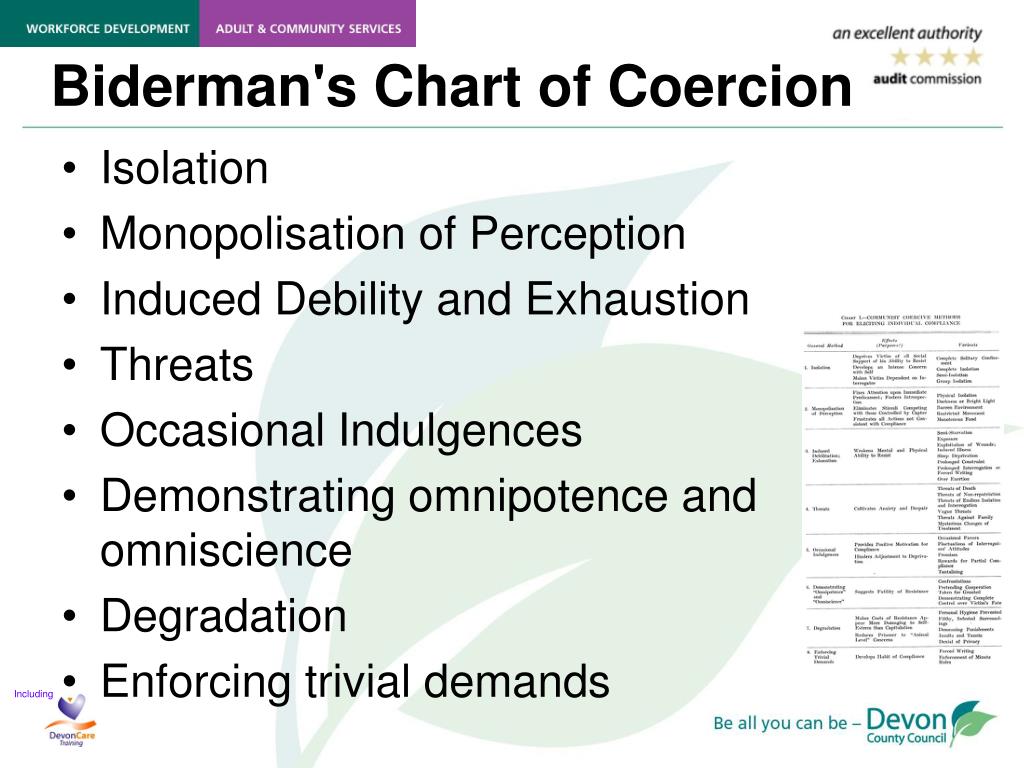
biderman s chart of coercion Conomo.helpapp.co

Biderman's Chart of Coercion verses Emotional Abuse how different are

Support for professionals Gloucestershire Domestic Abuse Support
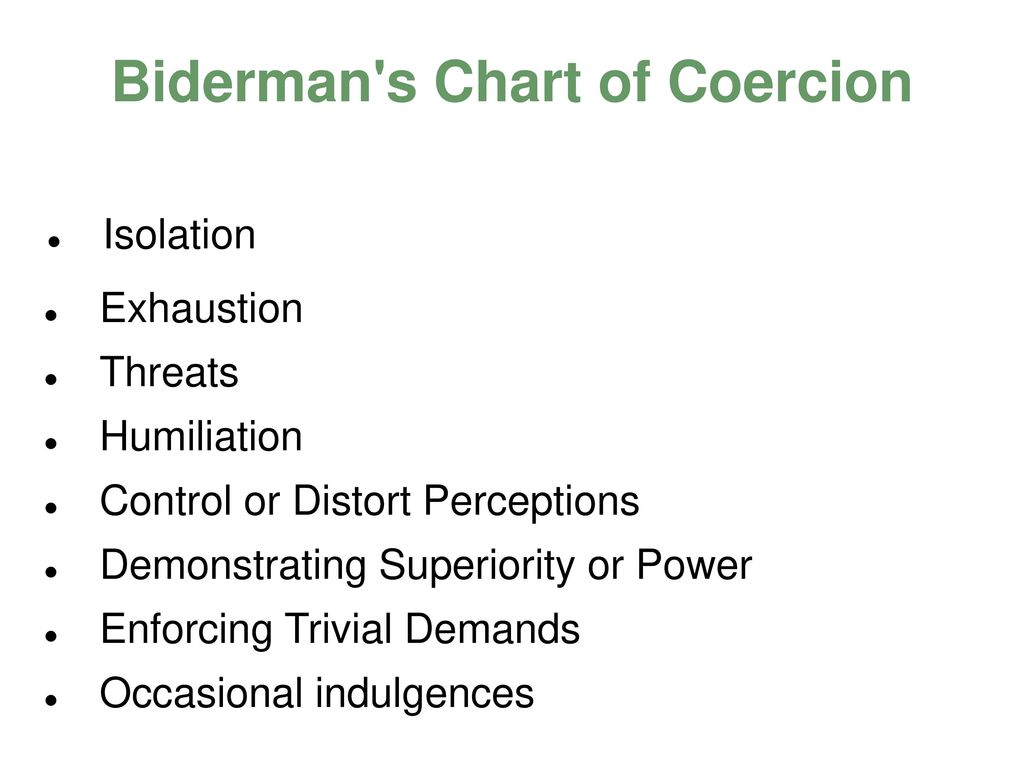
Biderman's Chart Of Coercion German References Fairness And
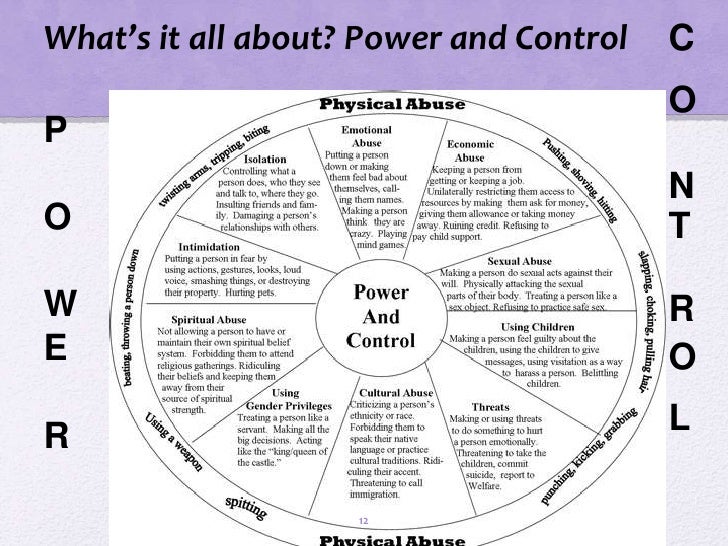
Chac talk 11.0
Biderman's Principles of Coercion Confession (Law) Solitary Confinement
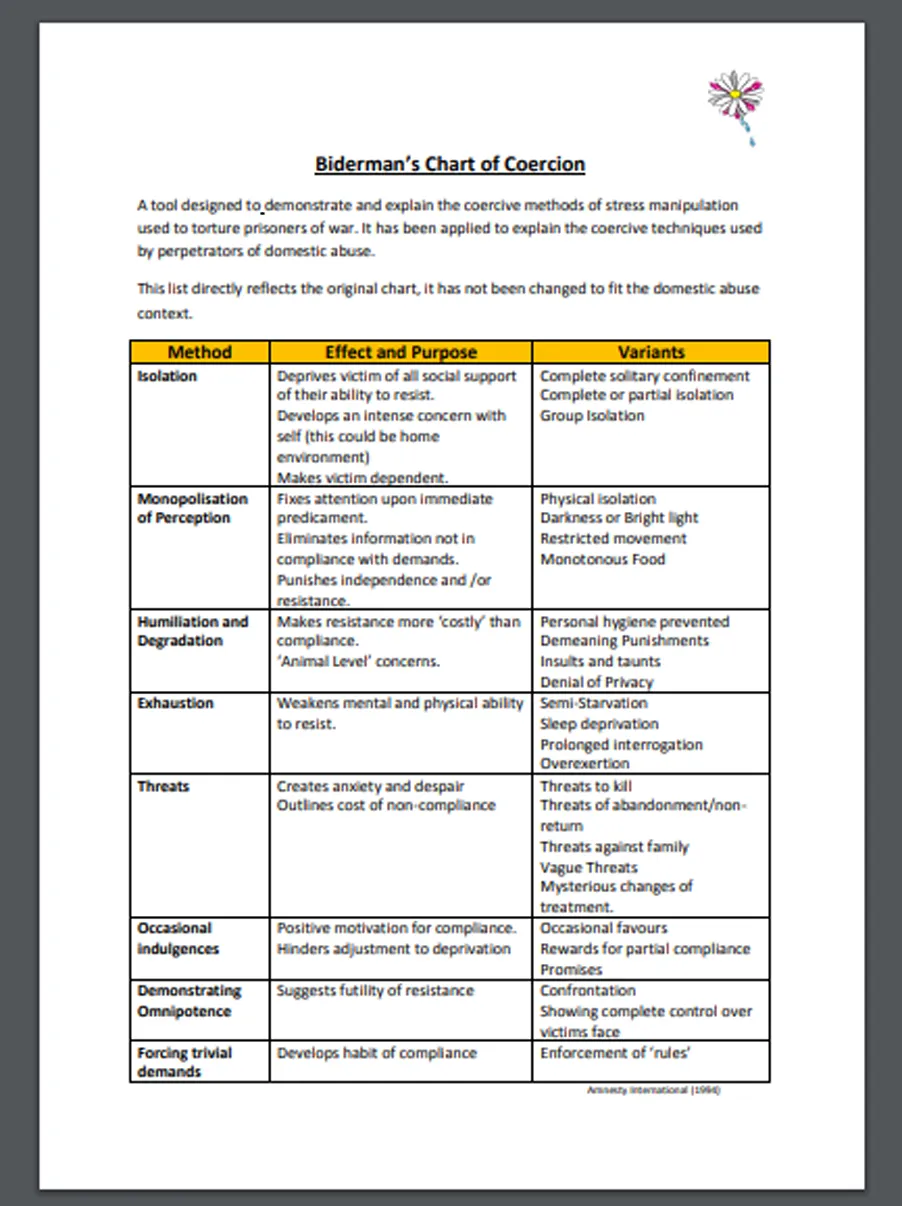
COVID 19 pandemic and Biderman’s Chart of Coercion La destrucción
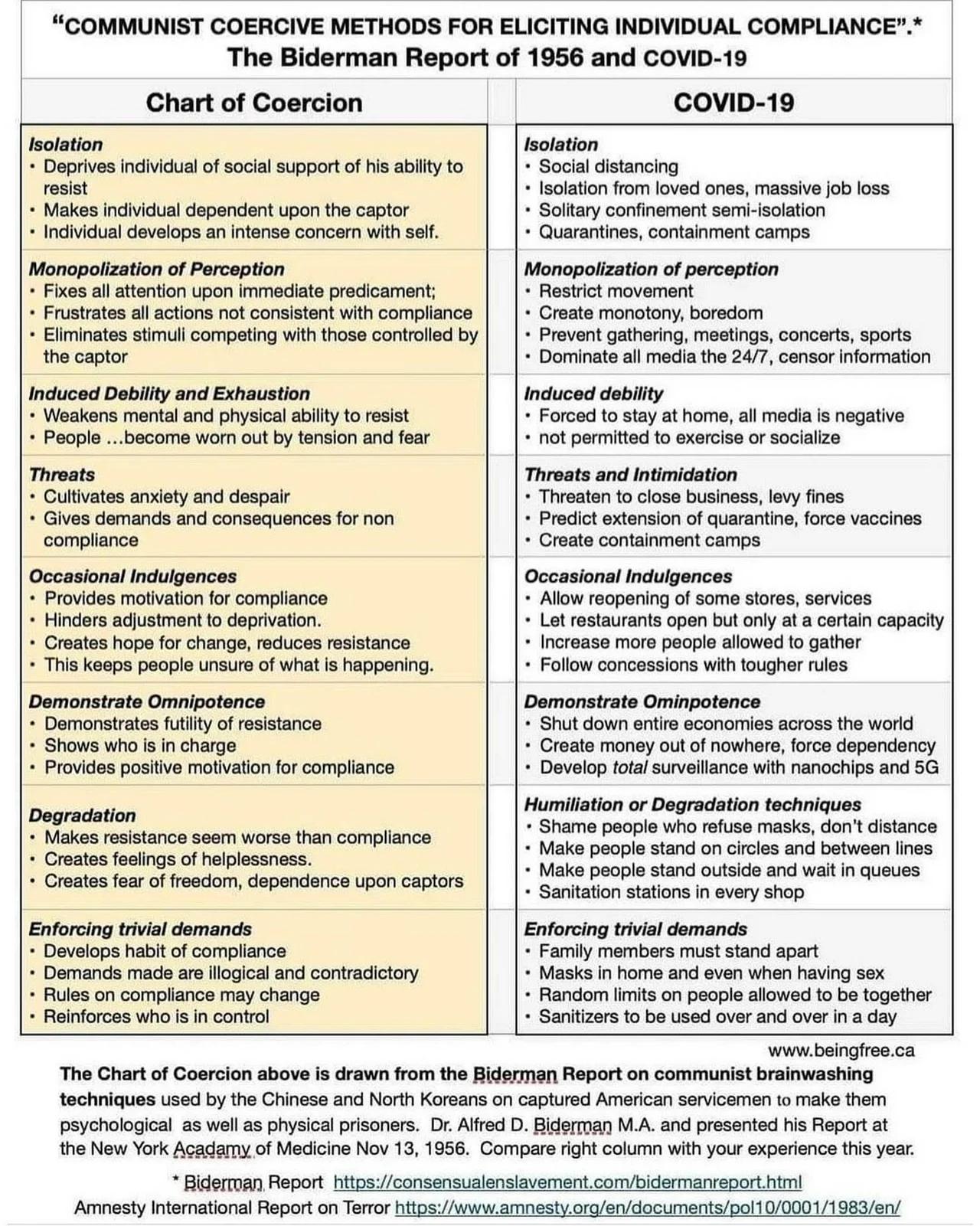
The Biderman Chart of Coercion/Covid19
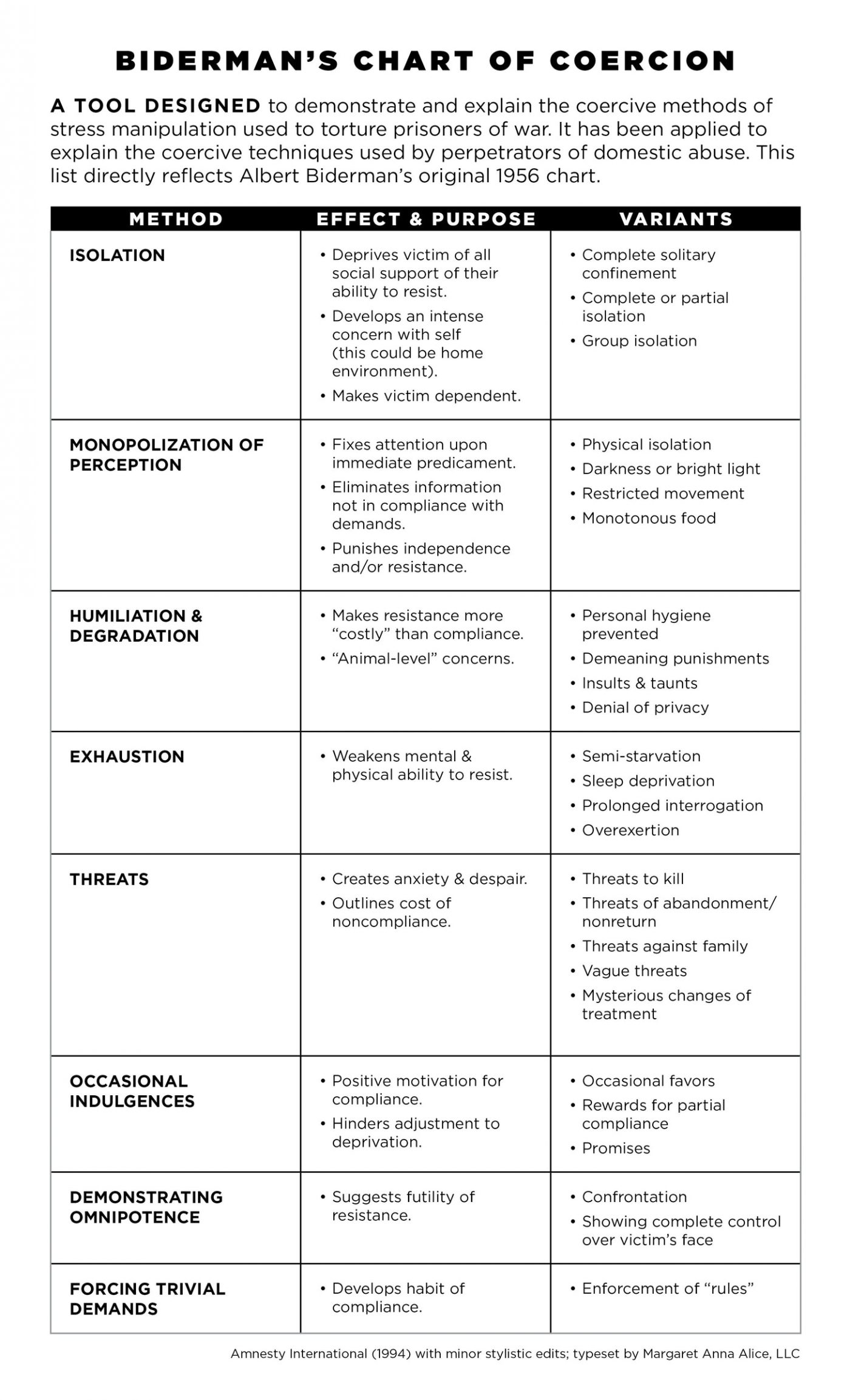
Biderman’s Chart of Coercion samim
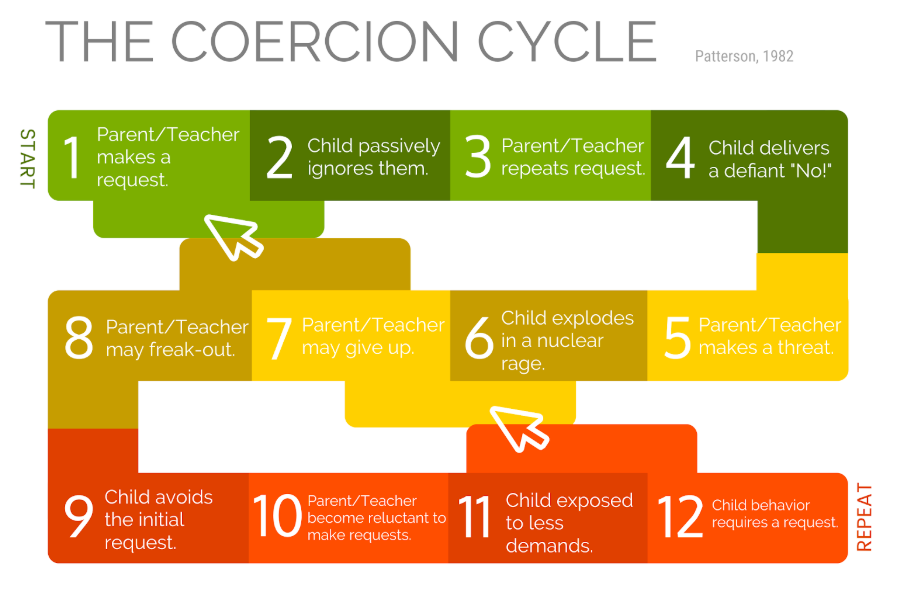
Coercion Cycle Behavior Assistance
It Has Been Applied To Explain The Coercive Techniques Used By Perpetrators Of Domestic Abuse.
Published Online 4 November 2014.
Web Power And Control Comparison.
It Discusses How Isolation, Monopolization Of Perception, Induced Debility And Exhaustion, And Occasional Indulgences Can Manipulate Victims Into Compliance.
Related Post:
