
Ar15 Buffer Weight Chart
Ar15 Buffer Weight Chart - The most common buffer weights are carbine, h1, h2, and h3. Barrel length, gas system, ammunition and manufacturer’s specifications for build parts will largely affect the outcome. 3.0 oz, 3.8 oz (h), 4.6 oz (h2), 5.4 oz (h3) & 6.5 oz (hss). Carbine buffer weights are the lightest and are typically used in shorter barrel rifles. We review carbine, h, h1, h2, h3, and rifle buffers, as well as custom options. Normally uses three tungsten weights to weigh around 5.6 oz. Web what buffer weight is right for you? This is the standard weight buffer in the standard carbine size housing. The h2 buffer has a slight variance depending on the manufacturer, but should be 4.6 to 4.7 ounces. Moving up in weight, an h buffer, or heavy buffer, is nearly a full ounce heavier at 3.8 ounces. The most common buffer weights are carbine, h1, h2, and h3. Carbine buffers have 3 steel weights, weighing in at a total of 3 oz. Moving up in weight, an h buffer, or heavy buffer, is nearly a full ounce heavier at 3.8 ounces. The correct one to use is determined by the firearm setup (receiver size, buffer tube type, and chambering). We review carbine, h, h1, h2, h3, and rifle buffers, as well as custom options. If you have ever heard of someone tuning a rifle, altering the buffer weight and springs is how seasoned. Moving up in weight, an h1 buffer weight, or heavy buffer, is nearly a full ounce heavier at 3.8 ounces. This is fine for most applications,. It's important to choose the right buffer weight for your rifle to ensure optimal performance and shooting experience. This chart provides a good reference for how tuned your rifle is. A standard carbine buffer should weigh roughly 3 ounces. According to the chart there are five (5) carbine buffers; Carbine buffer weights are the lightest and are typically used in shorter barrel rifles. The carbine buffer, also known as the standard buffer, weighs around 3 ounces. Web here are the most common buffer weights for ar15 rifles: This is the standard weight buffer in the standard carbine size housing. This is fine for most applications,. The h2 buffer has a slight variance depending on the manufacturer, but should be 4.6 to 4.7 ounces. We'll also compare the modern carbine buffer to the original rifle buffer. We review carbine, h, h1, h2, h3, and rifle buffers, as well. 3.0 oz, 3.8 oz (h), 4.6 oz (h2), 5.4 oz (h3) & 6.5 oz (hss). If you have ever heard of someone tuning a rifle, altering the buffer weight and springs is how seasoned. Web can anyone explain to me how one goes about selecting the proper buffer weight for specfic combinations? This is the standard weight buffer in the. Web here are the most common buffer weights for ar15 rifles: Normally uses three tungsten weights to weigh around 5.6 oz. This is the most common size/weight buffer. If you start to research the topic, and it’s easy to get lost in the potential benefits, drawbacks and recommendations. A standard carbine buffer should weigh roughly 3 ounces. Moving up in weight, an h1 buffer weight, or heavy buffer, is nearly a full ounce heavier at 3.8 ounces. Dive into our comprehensive buffer weight comparison guide and find the perfect balance for a rifle Web get all the information you need on ar 15 buffers including, how to remove your buffer spring from your buffer tube, which buffer. This chart provides a good reference for how tuned your rifle is. Web when it comes to choosing the right buffer weight for your ar15, there are several options to consider. Dive into our comprehensive buffer weight comparison guide and find the perfect balance for a rifle The h2 buffer weight should weigh roughly 4.6 to 4.7 ounces. The h2. The h2 buffer has a slight variance depending on the manufacturer, but should be 4.6 to 4.7 ounces. Find out with our complete guide. Fortunately, at 5d tactical, we’ve drawn on decades of expertise in the industry to compose this guide, so that you’re empowered to find the perfect weight for your weapon. A standard carbine buffer should weigh roughly. Web what buffer weight is right for you? This is the standard weight buffer in the standard carbine size housing. Normally uses three tungsten weights to weigh around 5.6 oz. If you have ever heard of someone tuning a rifle, altering the buffer weight and springs is how seasoned. Dive into our comprehensive buffer weight comparison guide and find the. Buffers are designed with various lengths and weights. Web can anyone explain to me how one goes about selecting the proper buffer weight for specfic combinations? Carbine buffers have 3 steel weights, weighing in at a total of 3 oz. This chart provides a good reference for how tuned your rifle is. Fortunately, at 5d tactical, we’ve drawn on decades. Carbine buffers have 3 steel weights, weighing in at a total of 3 oz. This is fine for most applications,. We review carbine, h, h1, h2, h3, and rifle buffers, as well as custom options. Barrel length, gas system, ammunition and manufacturer’s specifications for build parts will largely affect the outcome. We'll also compare the modern carbine buffer to the. The correct one to use is determined by the firearm setup (receiver size, buffer tube type, and chambering). We'll also compare the modern carbine buffer to the original rifle buffer. This is the standard weight buffer in the standard carbine size housing. The carbine buffer, also known as the standard buffer, weighs around 3 ounces. Web what buffer weight is right for you? This chart provides a good reference for how tuned your rifle is. 3.0 oz, 3.8 oz (h), 4.6 oz (h2), 5.4 oz (h3) & 6.5 oz (hss). We review carbine, h, h1, h2, h3, and rifle buffers, as well as custom options. The h2 buffer weight should weigh roughly 4.6 to 4.7 ounces. Web get all the information you need on ar 15 buffers including, how to remove your buffer spring from your buffer tube, which buffer weight (carbine, rifle, h1, h2, or h3) works best. If you start to research the topic, and it’s easy to get lost in the potential benefits, drawbacks and recommendations. A standard carbine buffer should weigh roughly 3 ounces. Buffers are designed with various lengths and weights. Barrel length, gas system, ammunition and manufacturer’s specifications for build parts will largely affect the outcome. It's important to choose the right buffer weight for your rifle to ensure optimal performance and shooting experience. The most common buffer weights are carbine, h1, h2, and h3.
Ar Buffer Weights Chart
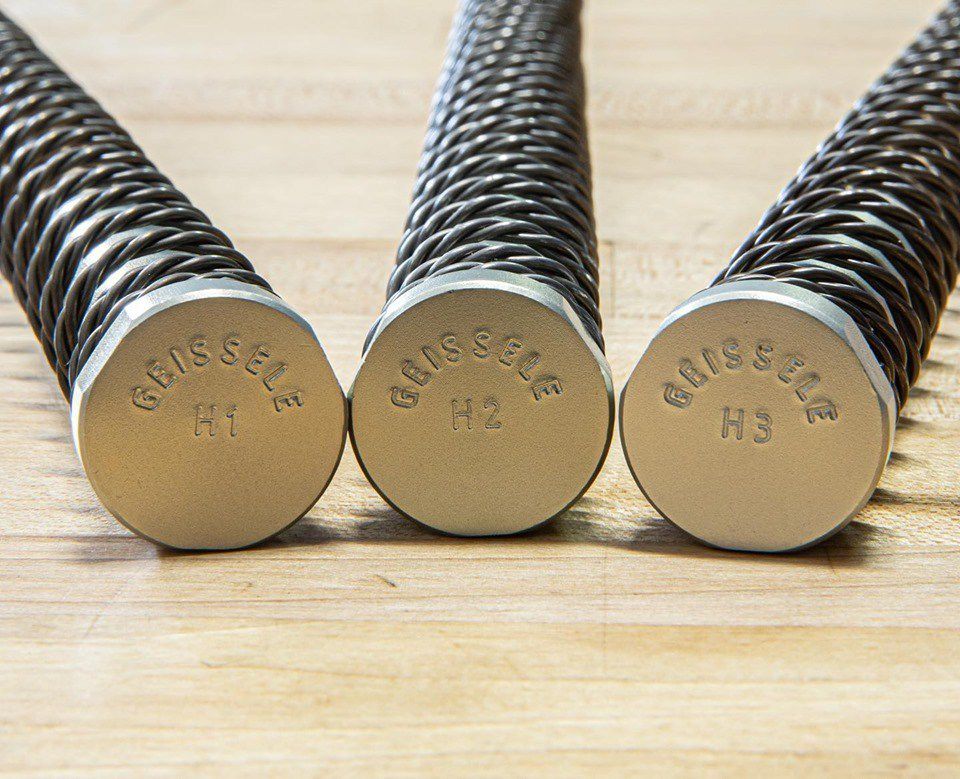
AR15 Buffer Weights Modulus Arms 80 Lower Receivers and 80 Lower Jigs
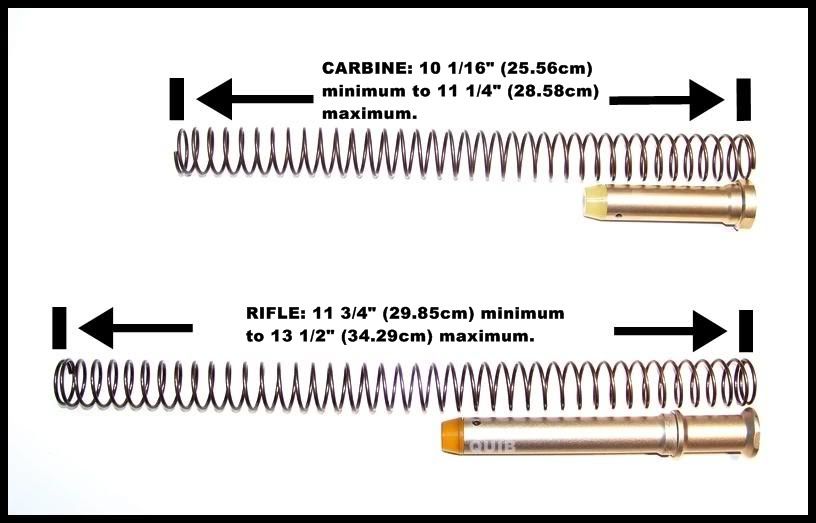
FAQ's, BASIC INSPECTIONS AND PROCEDURES
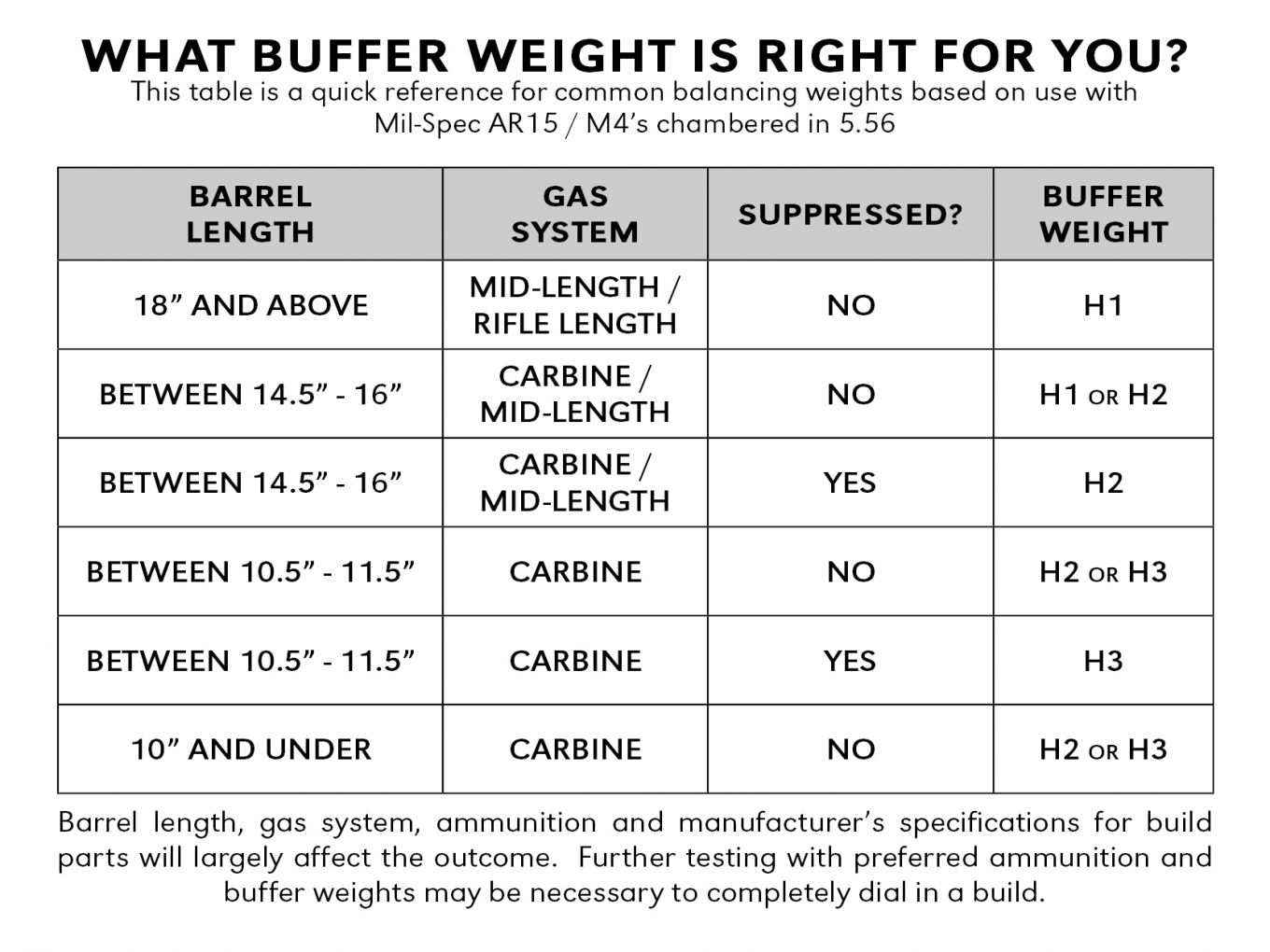
AR15 Buffer Weights What The Difference Is, and How to Choose 80
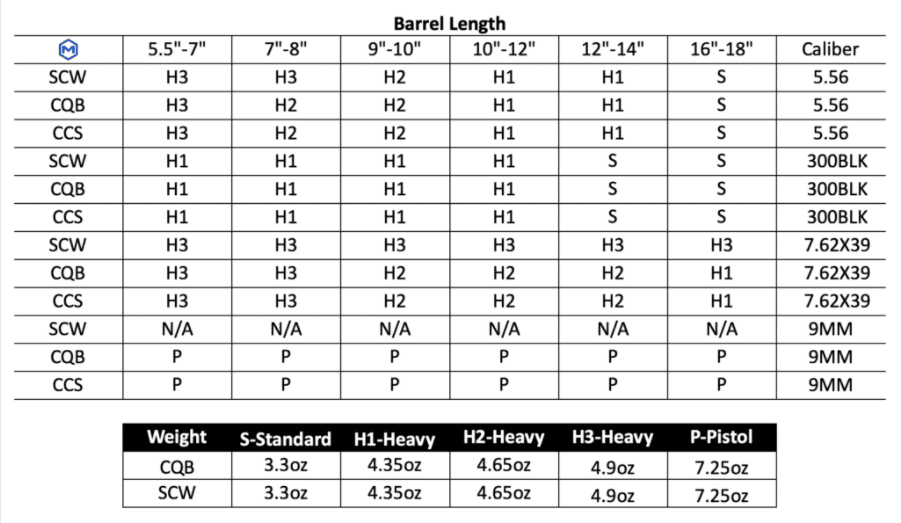
The Heavyweight Guide to AR15 Buffer Weights
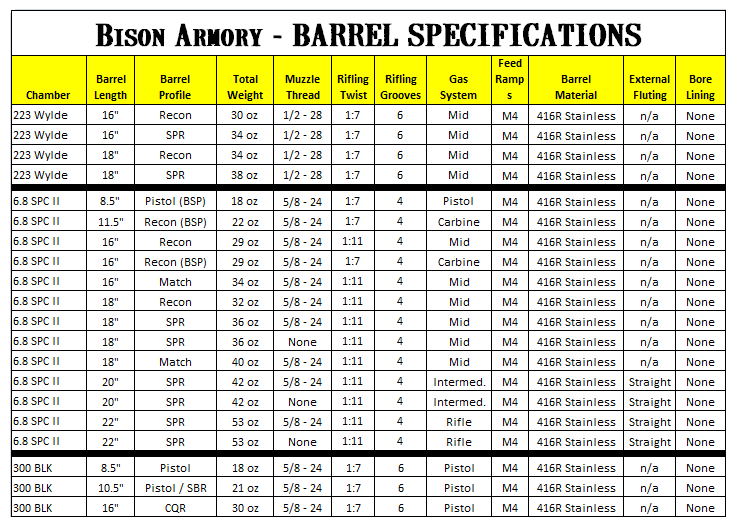
Barrel Specs

New Guy, New Build (MATEN)
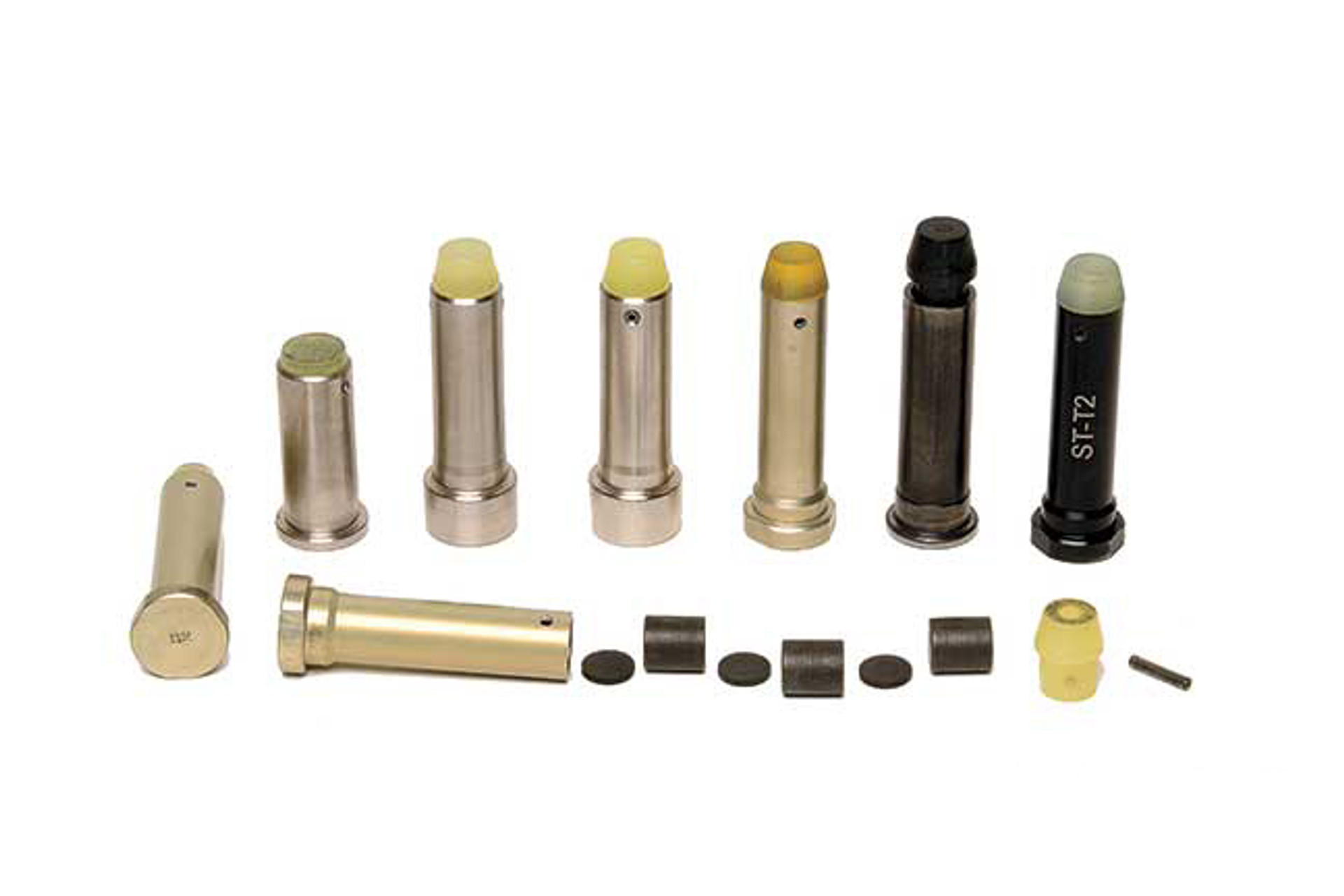
Ar15 Buffer Weight Chart
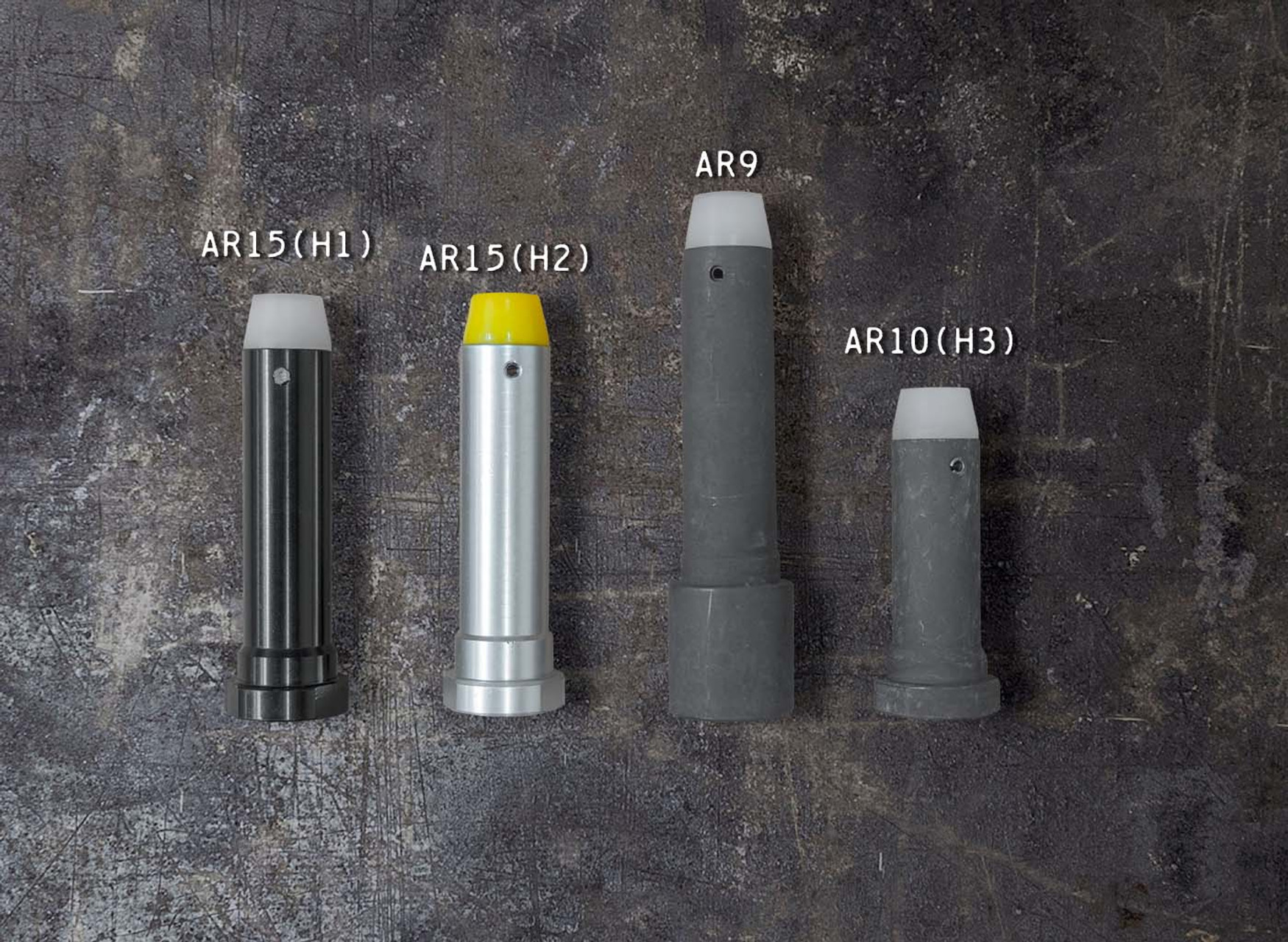
AR10 Buffer Weight Basics 5D Tactical
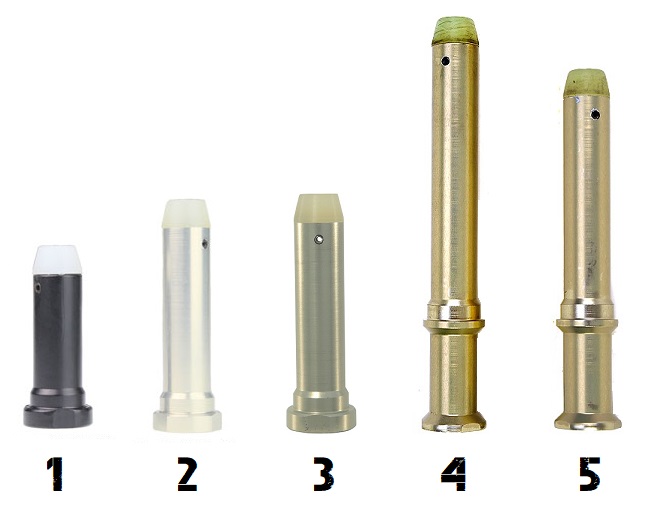
Bolt catch catches onto bolt itself and not bolt face. r/AR10
If You Have Ever Heard Of Someone Tuning A Rifle, Altering The Buffer Weight And Springs Is How Seasoned.
This Is The Most Common Size/Weight Buffer.
Normally Uses Three Tungsten Weights To Weigh Around 5.6 Oz.
Web Here Are The Most Common Buffer Weights For Ar15 Rifles:
Related Post: