
6 Kingdoms Chart
6 Kingdoms Chart - Include basic characteristics, such as cell structure, the manner in which food is synthesized, and the mode of reproduction. Plantae, contains all plants on earth. Web organisms are traditionally classified into six kingdoms (archaebacteria, eubacteria, protista, fungi, plantae, and animalia) based on characteristics like cell type, nutrient acquisition, and reproduction. When there are 6 kingdoms, monera breaks into eubacteria and archaebacteria. Web 6 kingdoms of life chart kingdom cell type body form cell structure nutrition habitat distinguishing characteristics examples animalia plantae fungi protista eubacteria archaebacteria. Web the six kingdoms of life are animalia, plantae, archaebacteria, eubacteria, fungi and protista. These are animals, plants, fungi, protists, bacteria, and archaea. Web grade 06 science unit 11 pi 01. Bacteria, archaea, protista, plantae, fungi and animalia. A breakdown of kingdom biology. A breakdown of kingdom biology. These are animals, plants, fungi, protists, bacteria, and archaea. Web 6 kingdoms of life, complete your thinking map by putting the title of the kingdom and some illustrated examples of organisms that belong to that kingdom in each box. Animalia, contains general animals and is the largest kingdom with over 1 000 000 species. Web grade 06 science unit 11 pi 01. Web eukaryotic, multicellular, no cell wall, heterotroph. So, why are so many diverse organisms in one kingdom? Web traditionally, some textbooks from the united states and canada used a system of six kingdoms (animalia, plantae, fungi, protista, archaea/archaebacteria, and bacteria or eubacteria), while textbooks in other parts of the world, such as the united kingdom, pakistan, bangladesh, india, greece, brazil, spain use five kingdoms only (animalia. A species is the smallest, most specific group of organisms. Well, they have some things in common. Heffley, scott f created date: Archaebacteria, eubacteria, protista, fungi, plantae, or animalia. Web there are six kingdoms that all have different properties and vary widely. Each kingdom includes a set of organisms that share similar characteristics. They are multicellular, eukaryotic organisms that are heterotrophic, meaning they obtain their energy by consuming other organisms. Animalia, contains general animals and is the largest kingdom with over 1 000 000 species. A breakdown of kingdom biology. Each chart shows the following characteristics: The kingdom is the largest group of organisms. Bacteria, archaea, protista, plantae, fungi and animalia. The organisms in each kingdom are considered biologically distinct from the others. Web grade 06 science unit 11 pi 01. Web traditionally, some textbooks from the united states and canada used a system of six kingdoms (animalia, plantae, fungi, protista, archaea/archaebacteria, and bacteria or eubacteria), while textbooks in other parts of the world, such as the united kingdom, pakistan, bangladesh,. Well, they have some things in common. Web the 5 kingdoms of life are animalia, plantae, fungi, protista, and monera. This kingdom includes all plants. Web eukaryotic, multicellular, no cell wall, heterotroph. Plantae, contains all plants on earth. Archaebacteria, eubacteria, protista, fungi, plantae, or animalia. Web eukaryotic, multicellular, no cell wall, heterotroph. Web grade 06 science unit 11 pi 01. Web 6 kingdoms of life, from simplest to most complex, are as follows: Eubacteria archaea protist fungus plant animal cell type: A breakdown of kingdom biology. Web organisms are traditionally classified into six kingdoms (archaebacteria, eubacteria, protista, fungi, plantae, and animalia) based on characteristics like cell type, nutrient acquisition, and reproduction. The chart below shows how the kingdoms have changed over time. The organisms in each kingdom are considered biologically distinct from the others. Complete a semantic feature map to display. Who couldnt find any good study material so decided to make her own. A species is the smallest, most specific group of organisms. Classify organisms into their domain and kingdom by sorting cards with various organisms into the proper category. Web 6 kingdoms of life, from simplest to most complex, are as follows: These are animals, plants, fungi, protists, bacteria,. Each chart shows the following characteristics: Animal kingdom (animalia) there are lots of different kinds of animals, such as mammals, birds, insects, reptiles and amphibians. Examples (give at last 3 specific examples of organisms in Complete a semantic feature map to display the results of the. Bacteria, archaea, protista, plantae, fungi and animalia. The kingdom is the largest group of organisms. This kingdom includes all animals. Web there are now six commonly accepted kingdoms. Include basic characteristics, such as cell structure, the manner in which food is synthesized, and the mode of reproduction. Web there are six kingdoms that all have different properties and vary widely. Autotroph (producer) or heterotroph (consumer)? Each chart shows the following characteristics: Web the 6 kingdoms kingdom: Plantae, contains all plants on earth. Well, they have some things in common. These are animals, plants, fungi, protists, bacteria, and archaea. Animalia, contains general animals and is the largest kingdom with over 1 000 000 species. Two separate charts that display the characteristics for the 6 kingdoms of life. Each kingdom includes a set of organisms that share similar characteristics. Animal kingdom (animalia) there are lots of different kinds of animals, such as mammals, birds, insects, reptiles and amphibians. Web 6 kingdoms of life, from simplest to most complex, are as follows: Web eukaryotic, multicellular, no cell wall, heterotroph. The organisms are classified into their kingdoms by cell type (complex/simple), their ability to. They are multicellular, eukaryotic organisms that are heterotrophic, meaning they obtain their energy by consuming other organisms. This kingdom includes all plants. In this activity, students will create a chart that describes each kingdom and provides examples of organisms that fall into that kingdom. A breakdown of kingdom biology. Archaebacteria, eubacteria, fungi, protista, plants and animals. Archaebacteria are unicellular organisms without a cell nucleus. Include basic characteristics, such as cell structure, the manner in which food is synthesized, and the mode of reproduction. Web 6 kingdoms of life, complete your thinking map by putting the title of the kingdom and some illustrated examples of organisms that belong to that kingdom in each box.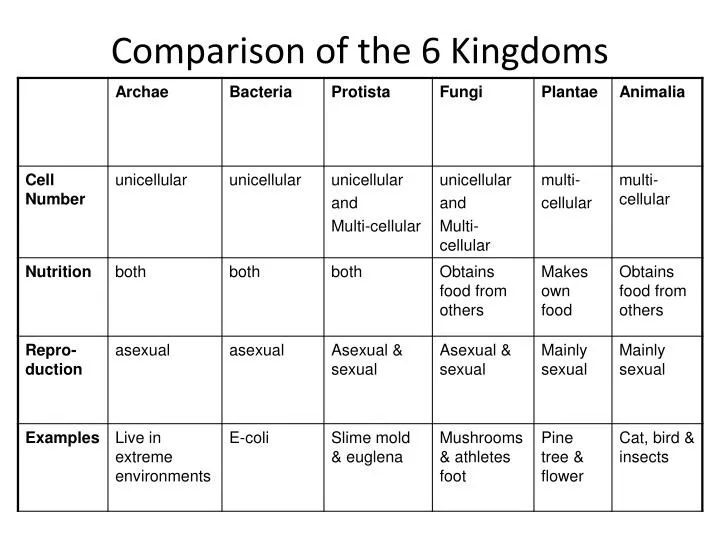
PPT Comparison of the 6 Kingdoms PowerPoint Presentation, free
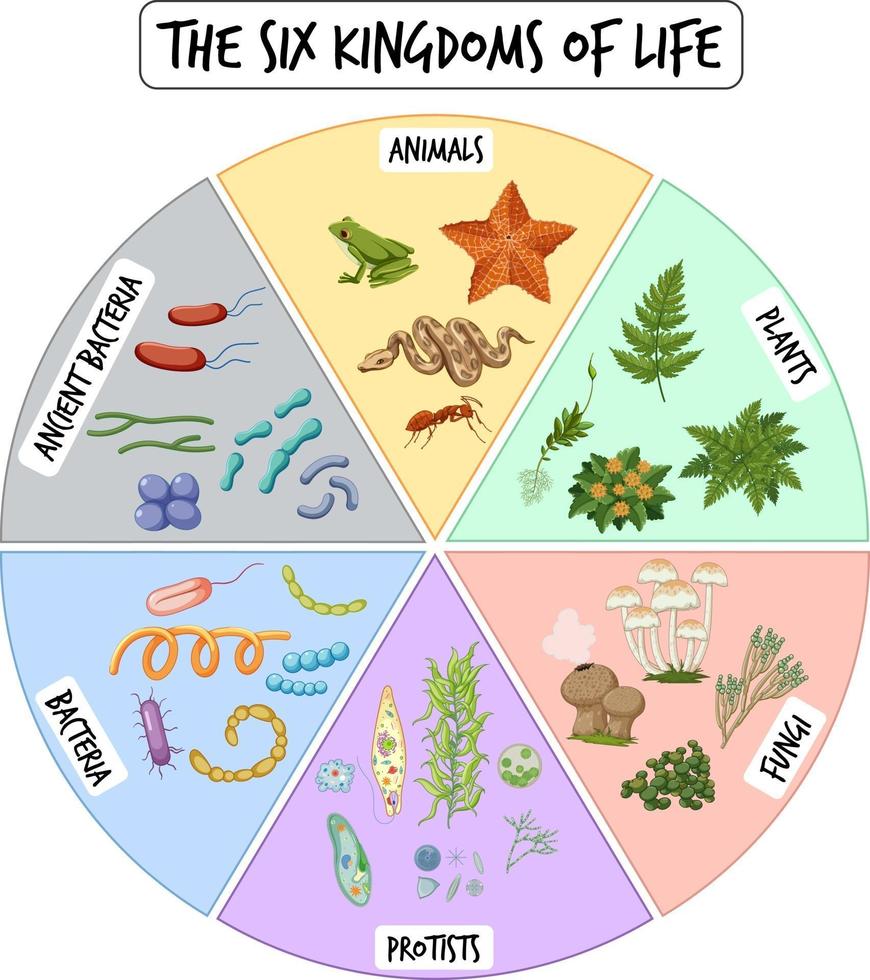
Information poster of six kingdoms of life 2906704 Vector Art at Vecteezy
:max_bytes(150000):strip_icc()/six-kingdoms-of-life-373414-Final1-5c538e2446e0fb00013faa3c.png)
The Six Biological Kingdoms

Diagram showing six kingdoms of life illustration Stock Vector Image
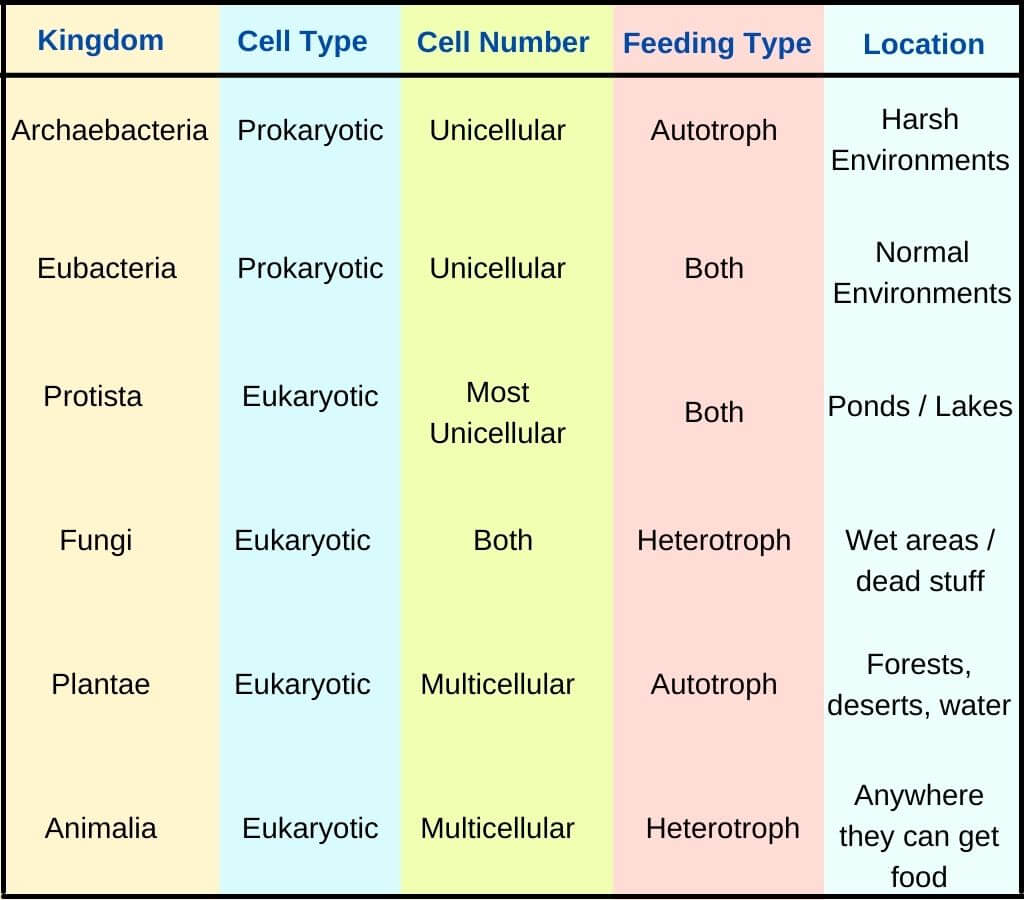
A Simple Explanation of the 6 Kingdoms of Life

The 6 Kingdoms of Life Simple Explanation for Kids WeHaveKids
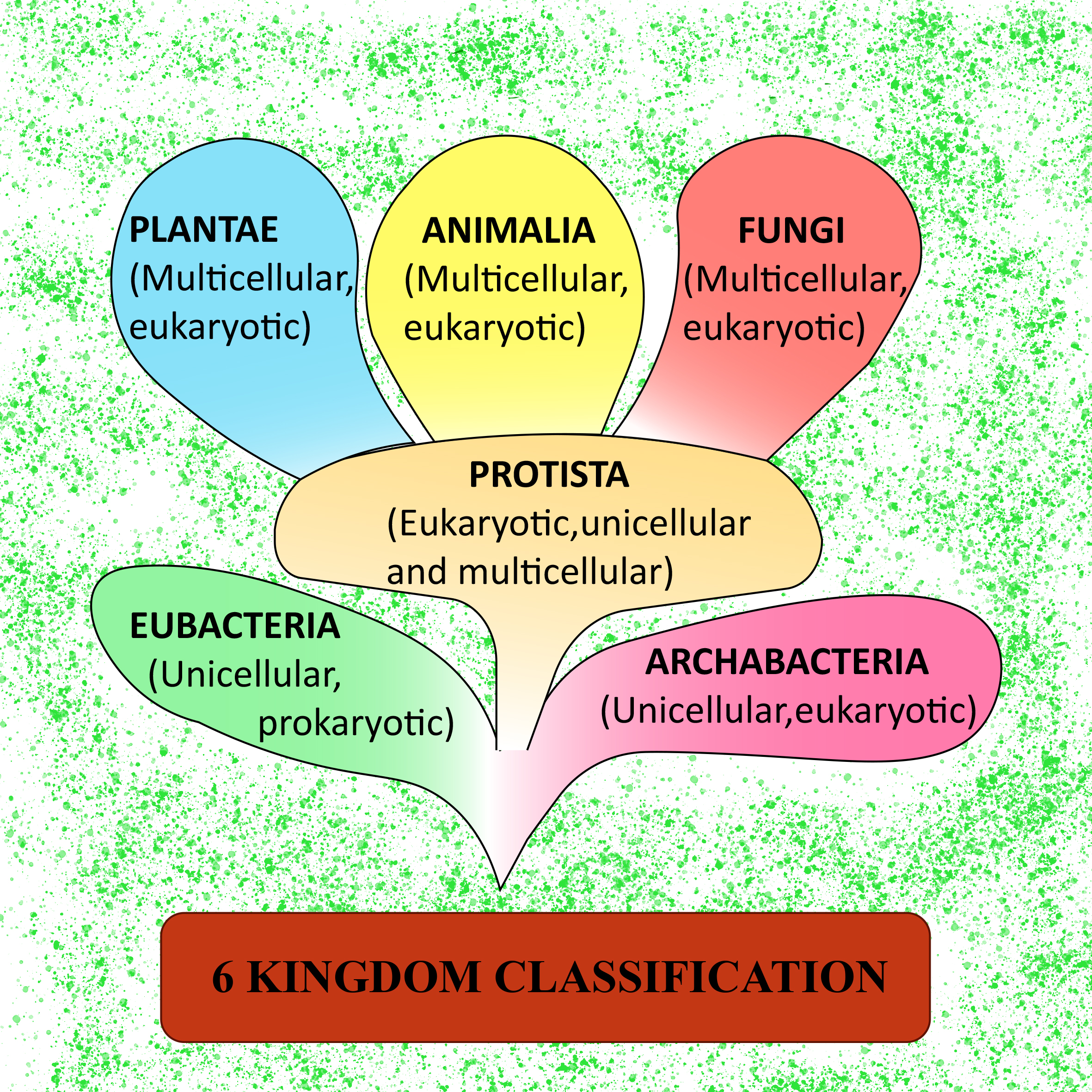
Kingdom Biologi Homecare24

Montessori Materials The Six Kingdoms Chart with Cards
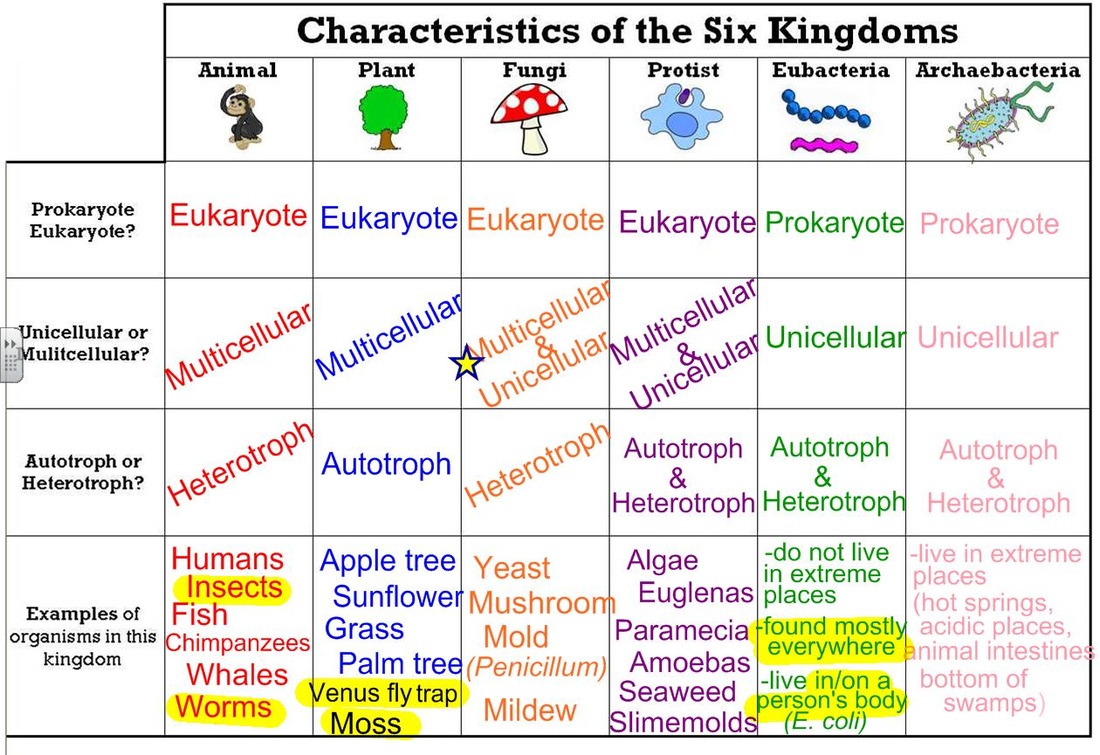
Classification of Organisms Rumney Marsh Academy Science Revere
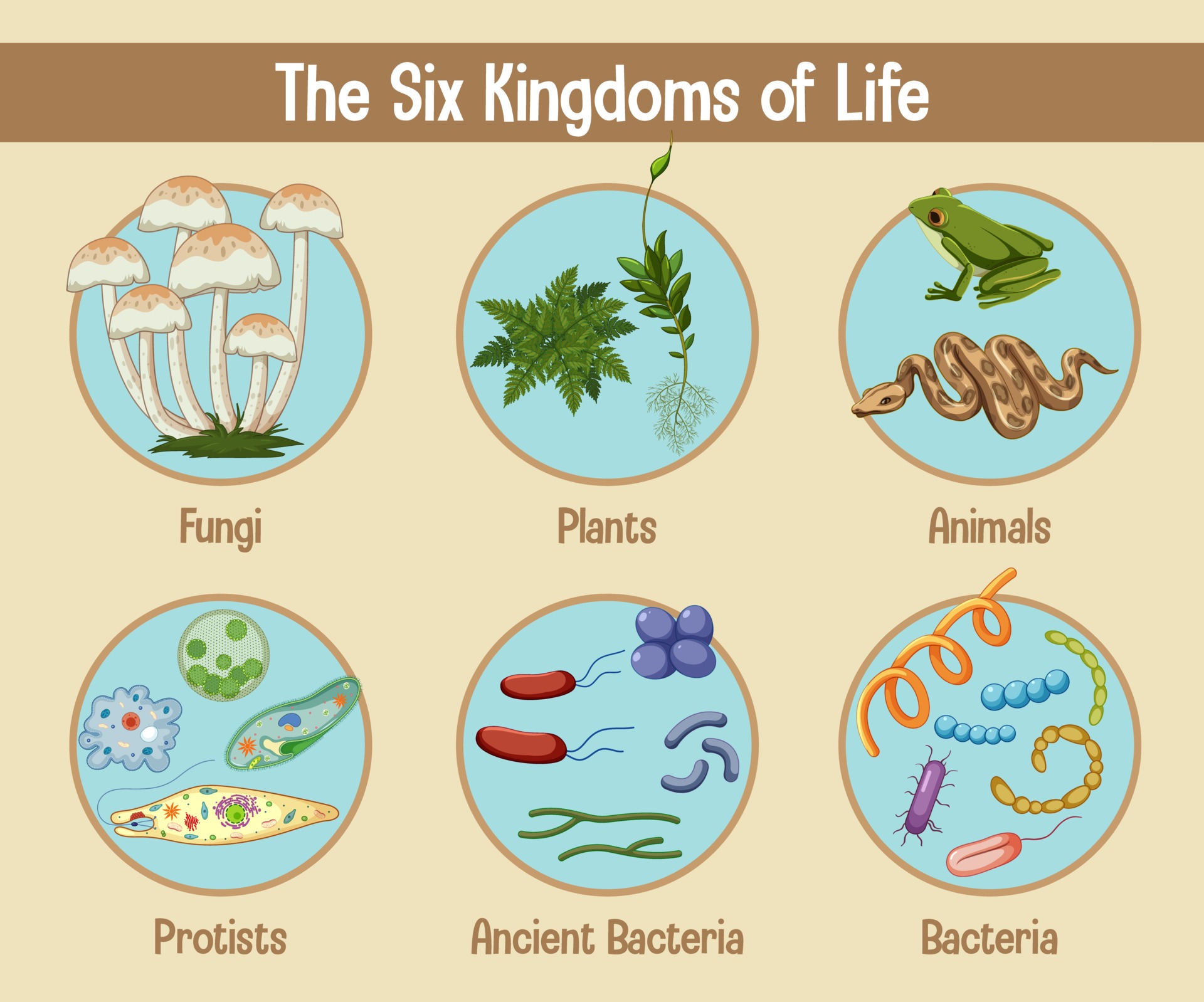
Science poster of six kingdoms of life 2906732 Vector Art at Vecteezy
This Kingdom Includes All Animals.
Bacteria, Archaea, Protista, Plantae, Fungi And Animalia.
Classify Organisms Into Their Domain And Kingdom By Sorting Cards With Various Organisms Into The Proper Category.
The Kingdom Is The Largest Group Of Organisms.
Related Post: